
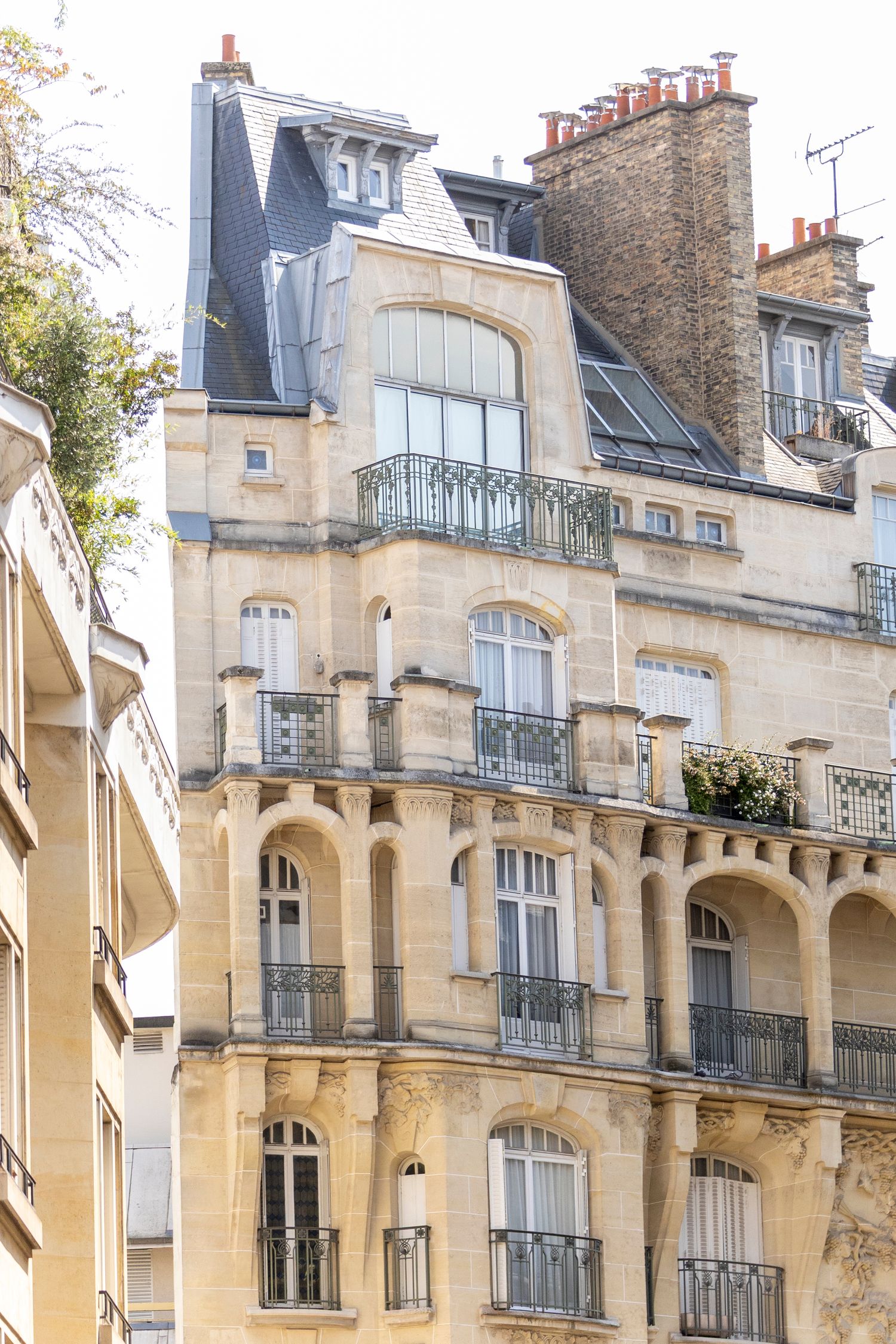
During the heat wave of 2026, a journey from California to Paris became another chapter in the family story of Devid, Malaya, and their son, Mads—photographed by their longtime friend Mauricio Arias.
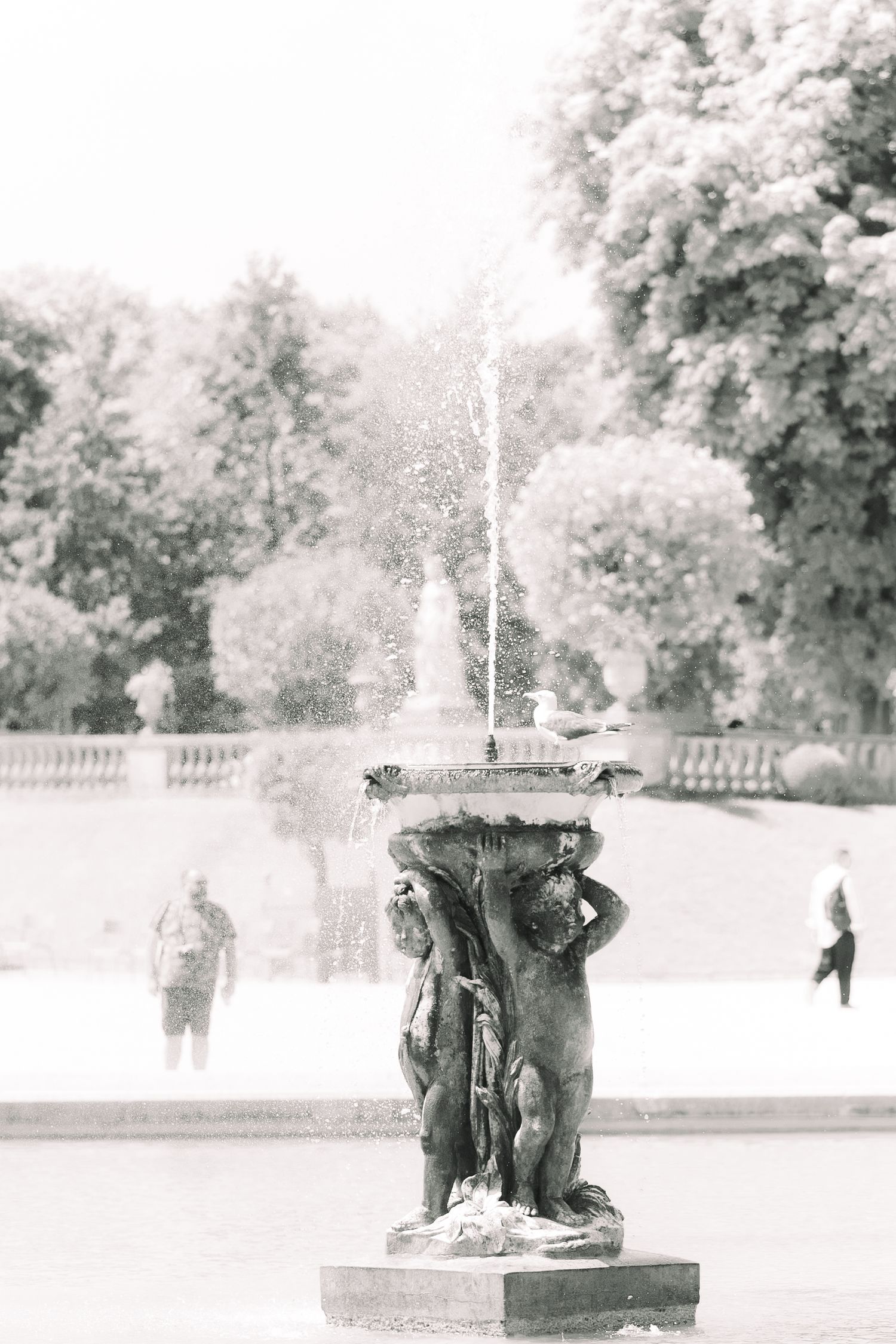
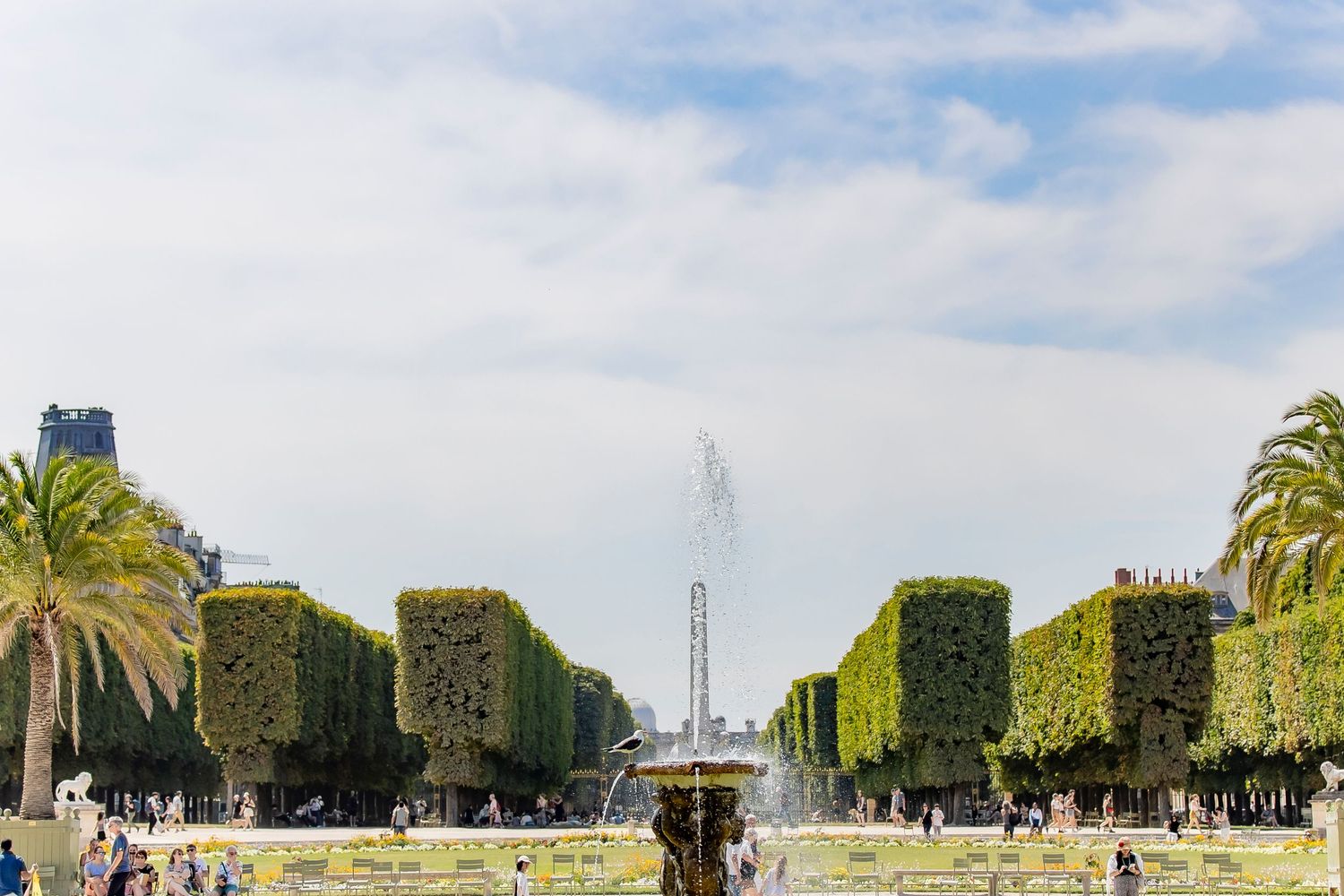
The kind of heat that alters the rhythm of the city. Afternoons become slower. Café awnings offer small islands of shade. The limestone façades radiate warmth, and the light lingers over the Seine as if even the sun is reluctant to leave.
Into this luminous, unfamiliar version of Paris came Devid, Malaya, and their son, Mads, traveling from California for a family vacation.
They came to discover a city. But, as so often happens when we travel, they also found a different way of being together.
When We Leave Ordinary Life Behind
Travel gives us something increasingly rare: permission to step outside our usual lives.
At home, our days are defined by familiar boundaries—work, school, schedules, responsibilities, and the endless list of things still waiting to be done. We love our routines, but we can also disappear inside them.
Then we travel.
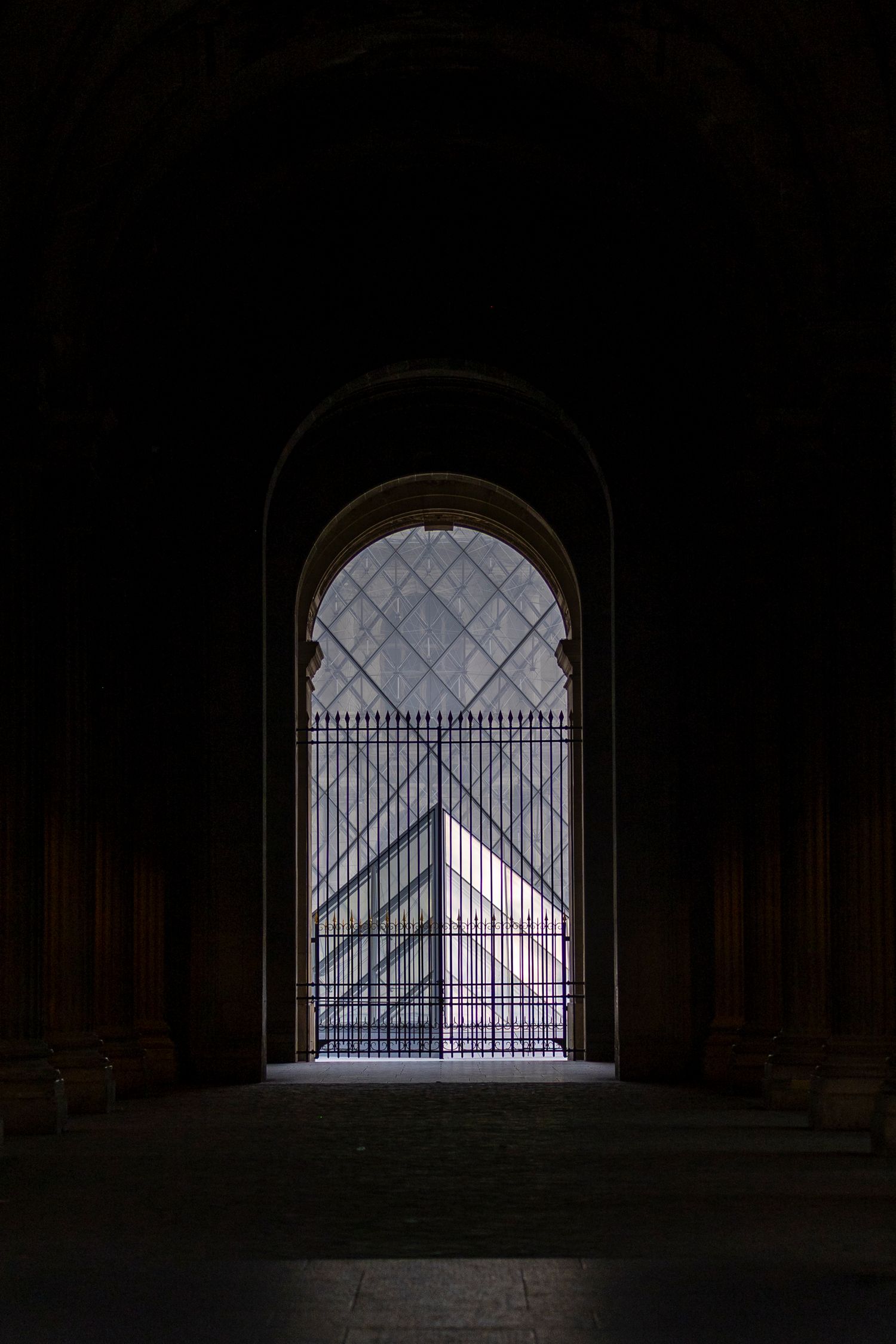
We wake in an unfamiliar room. We walk streets without knowing exactly where they lead. We order something we cannot pronounce, turn a corner without a plan, and allow the day to surprise us.
Away from our duties and daily stresses, we become more open. We surrender ourselves to adventure and to the unknown. Time feels different. We look at one another differently.
We are not trying to get through the day.
We are finally inside it.
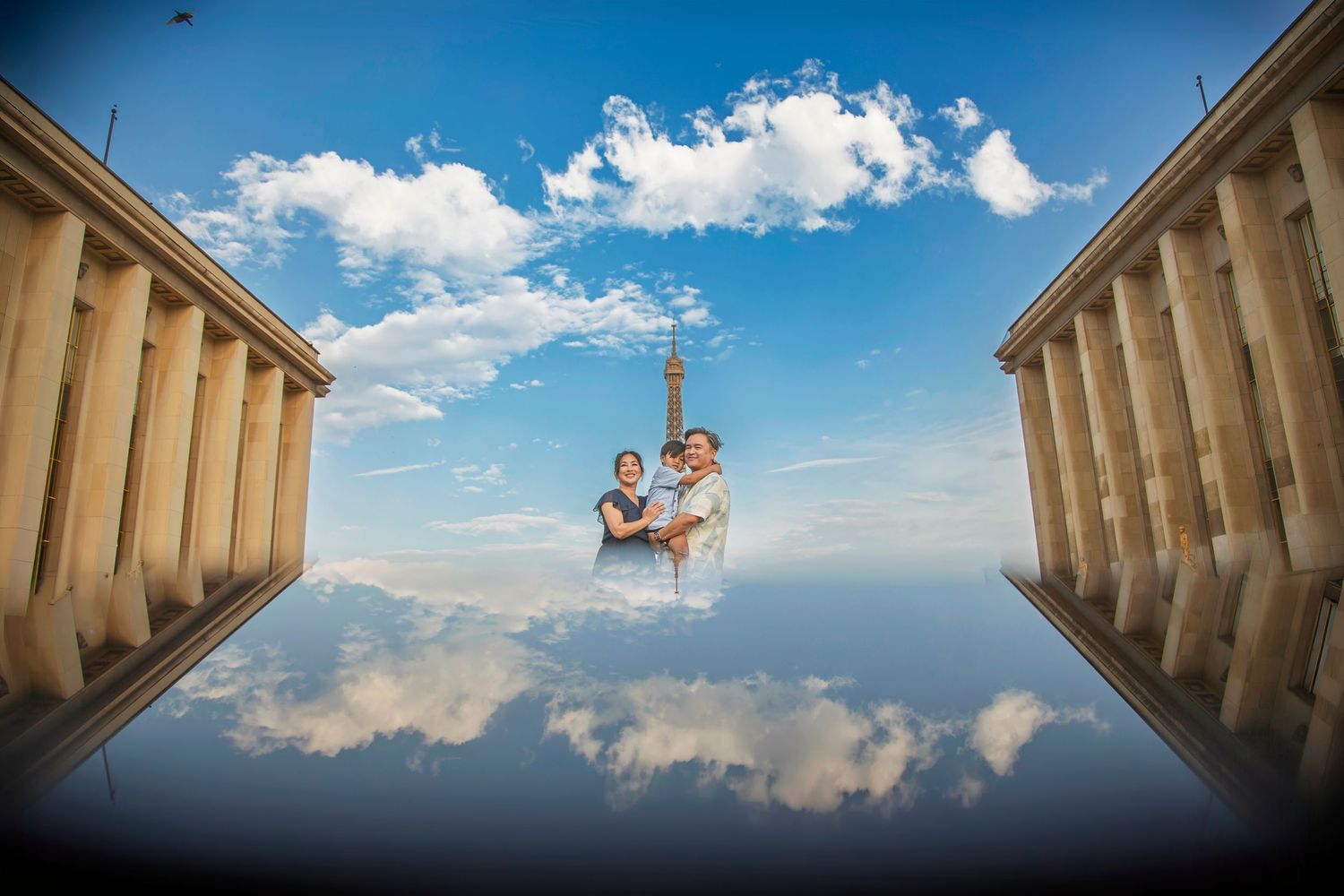
This is what made Devid, Malaya, and Mads’s family portrait in Paris so meaningful. It was not simply a session arranged against a beautiful European backdrop. It was the preservation of a shared experience—a family encountering the city and one another with curiosity, freedom, and presence.
A Story Years in the Making
Years later, when Mads arrived, they met again among the dramatic cliffs and windswept landscape of Big Sur. It was their first portrait as a family of three: intimate, tender, and rooted in the wild beauty of California.
Now their story has carried them across the Atlantic.
From a wedding to new parenthood, from Big Sur to Paris, Mauricio has become the photographer of their family milestones. But his place in their lives reaches beyond the photographs themselves.
Devid and Malaya trust his vision as an artist, but they also value him as a person and as a friend. He knew them before they became parents. He witnessed the beginning of their marriage and the arrival of Mads. He has watched their relationship evolve, their family grow, and their love take on new forms.
That history creates something a camera alone cannot manufacture: trust.
The Luxury of Being Truly Known
There is a particular intimacy in being photographed by someone who already understands your story.
The relationship does not begin when the camera is lifted. There is no need to introduce the family or invent a sense of connection for the photographs. It is already there—in the shared memories, the familiar gestures, and the ease of being around someone who has witnessed meaningful chapters of your life.
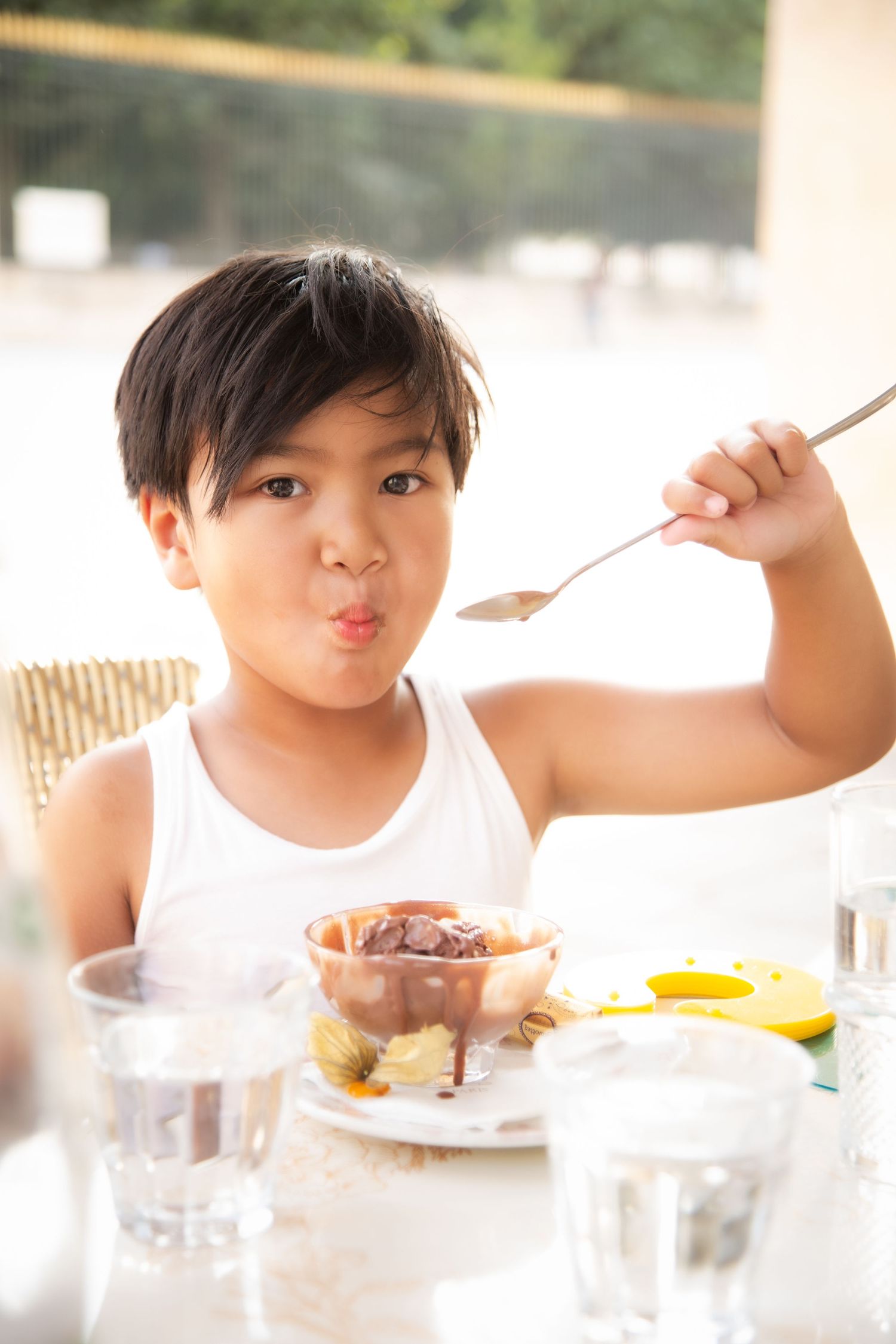
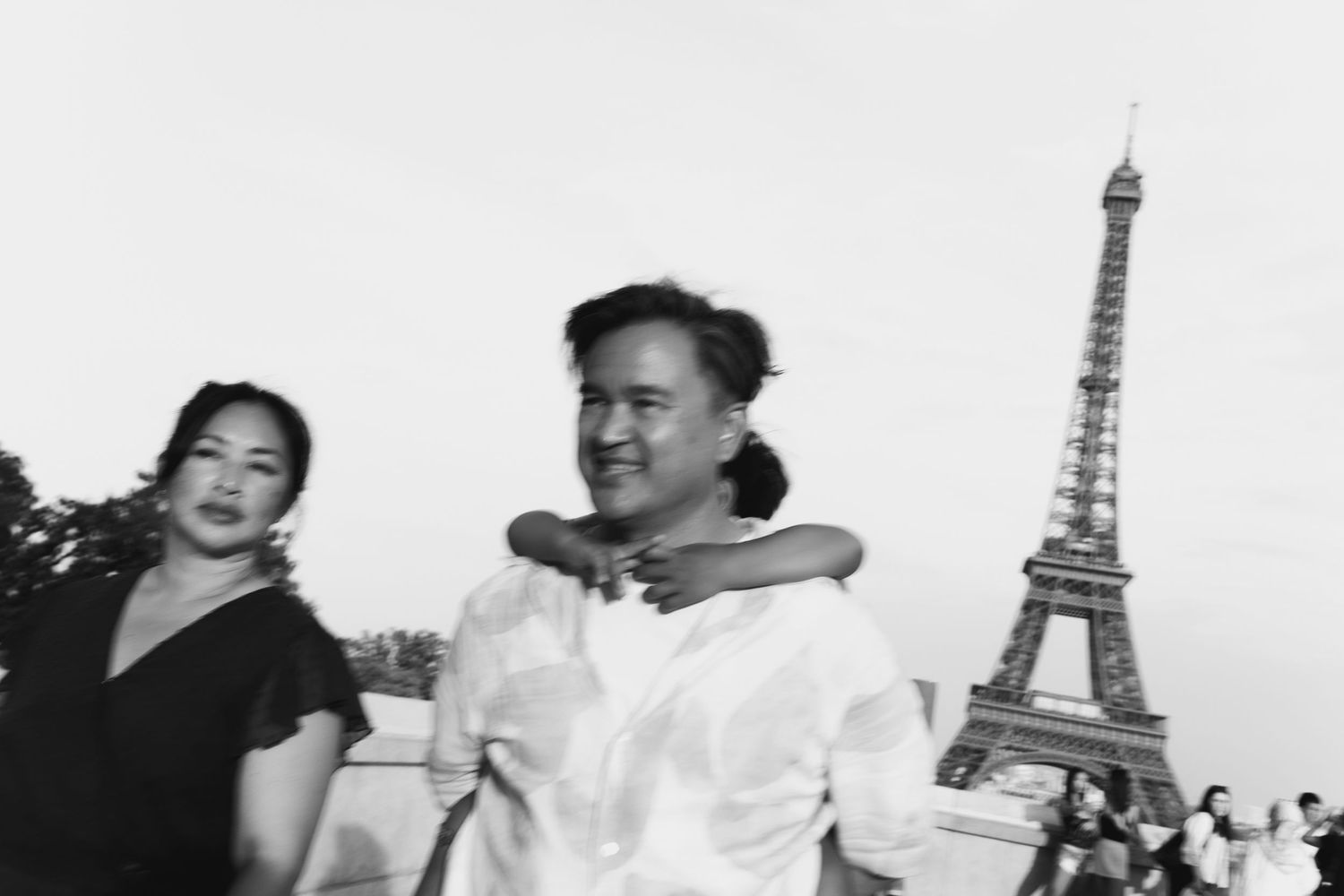
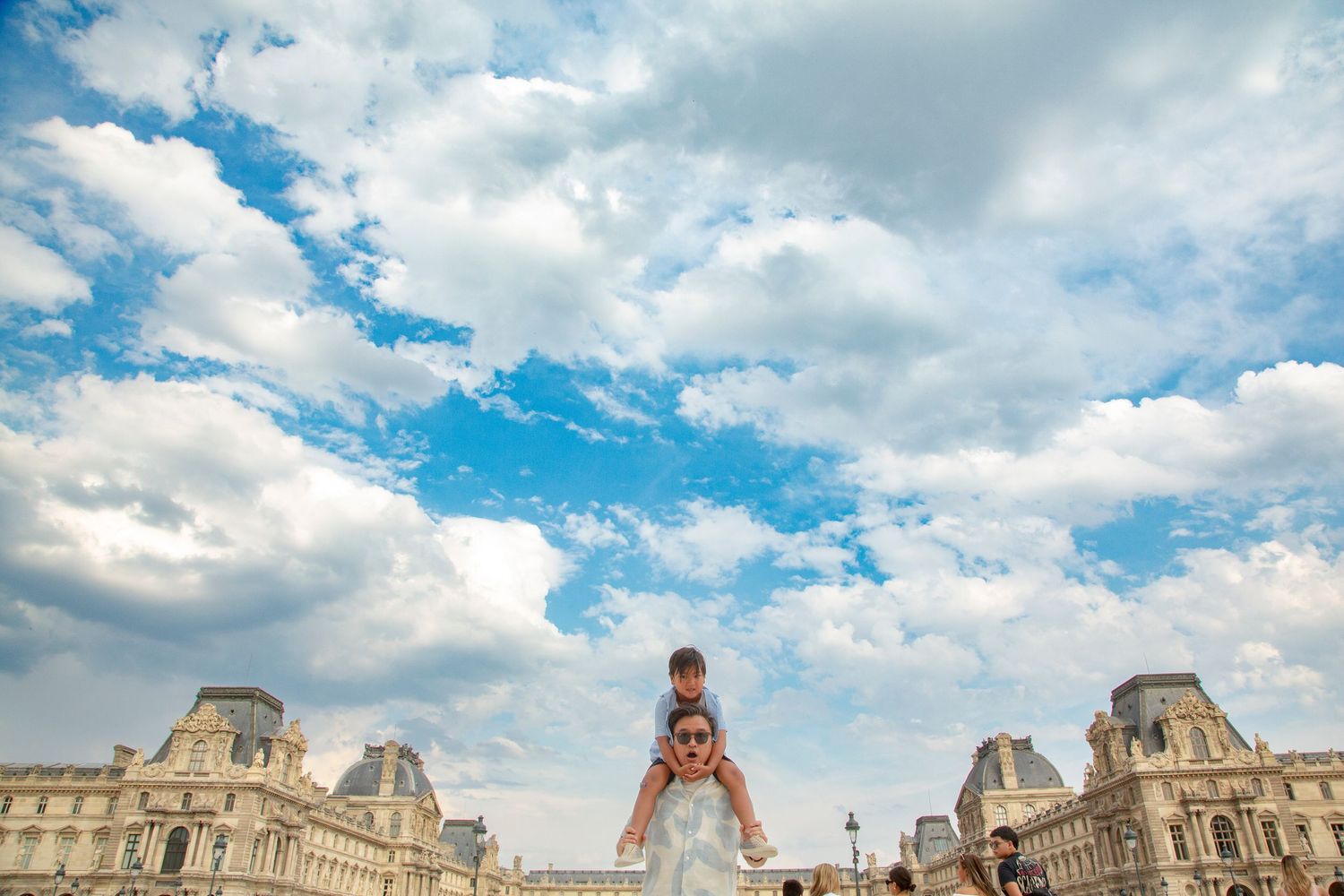
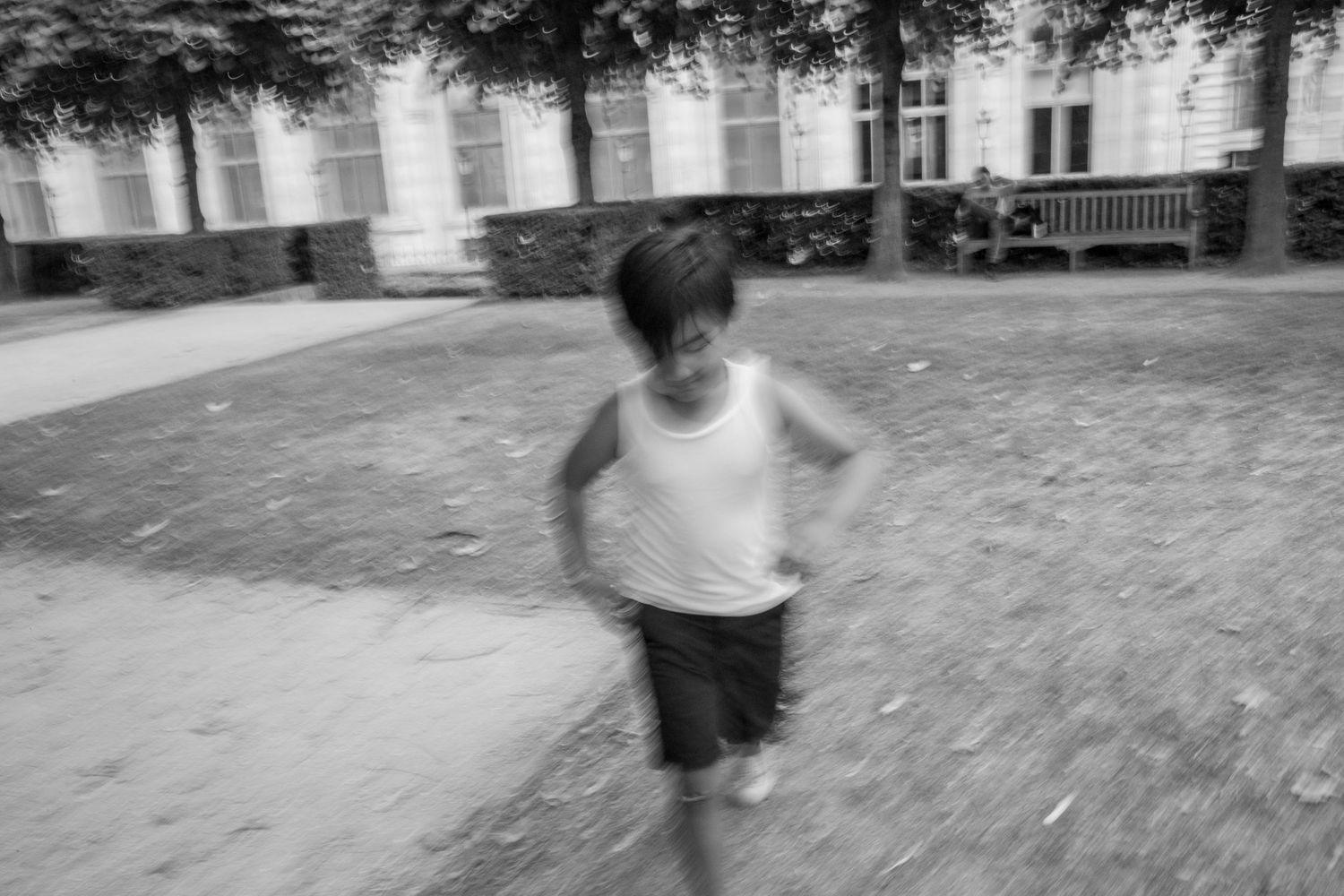
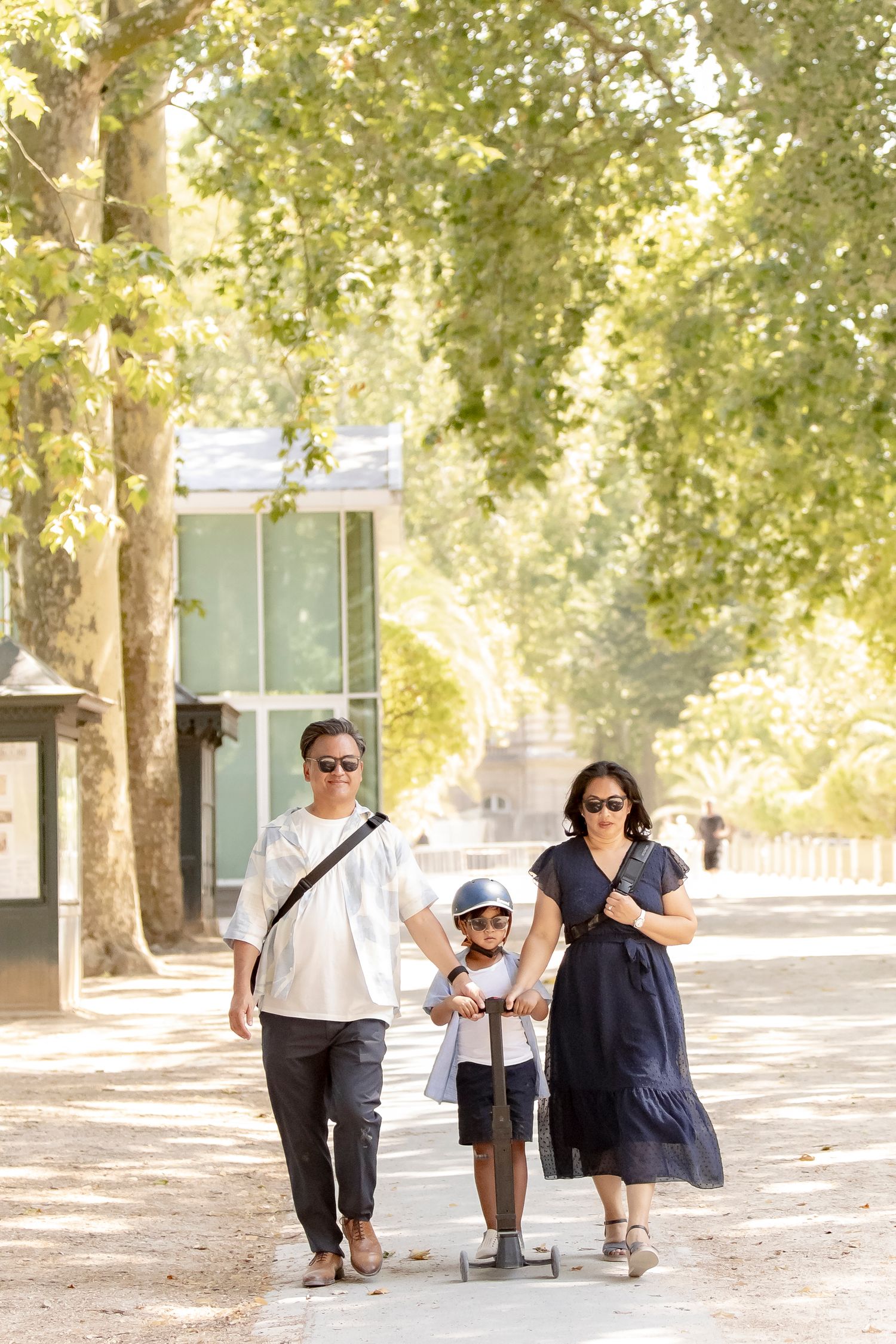
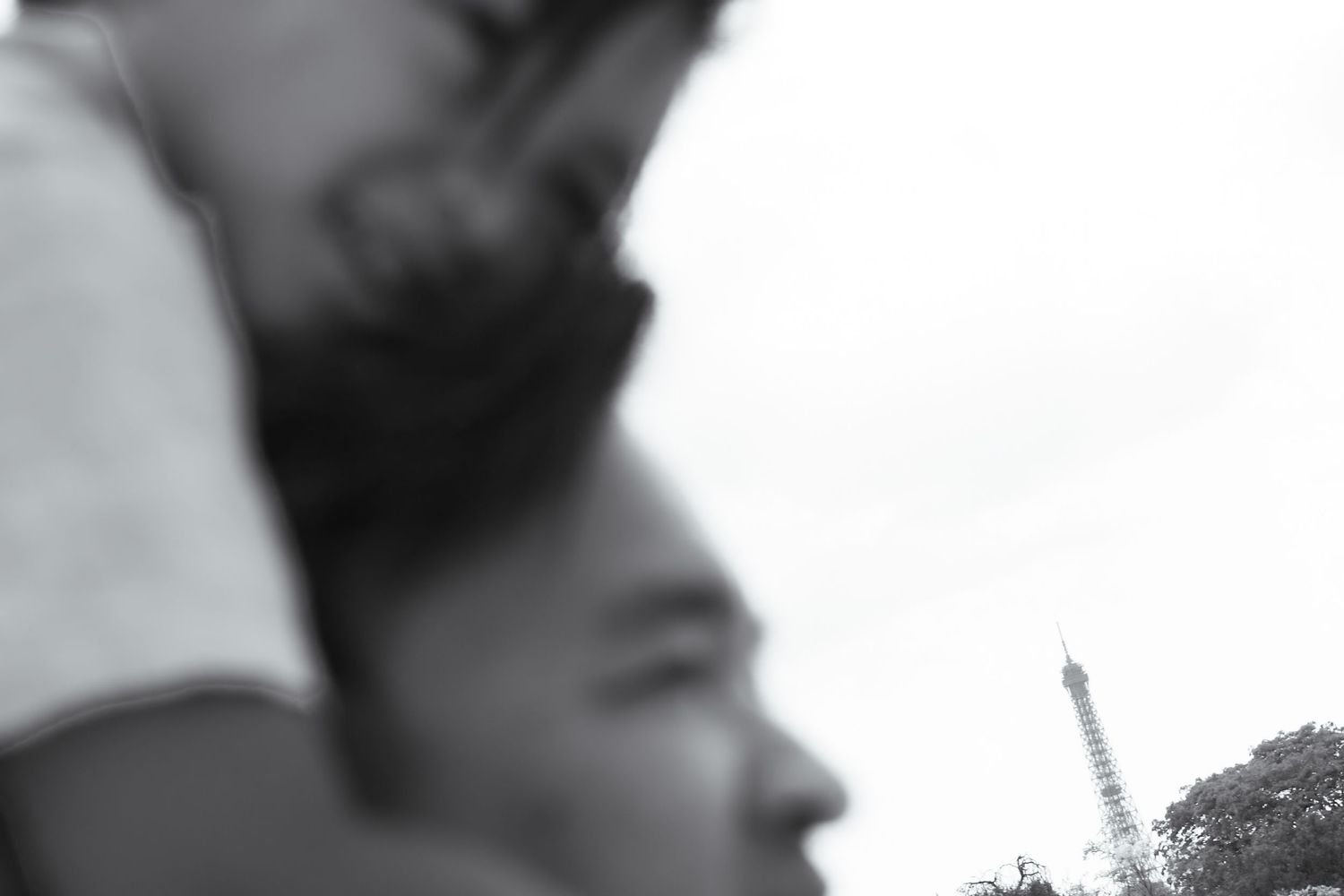
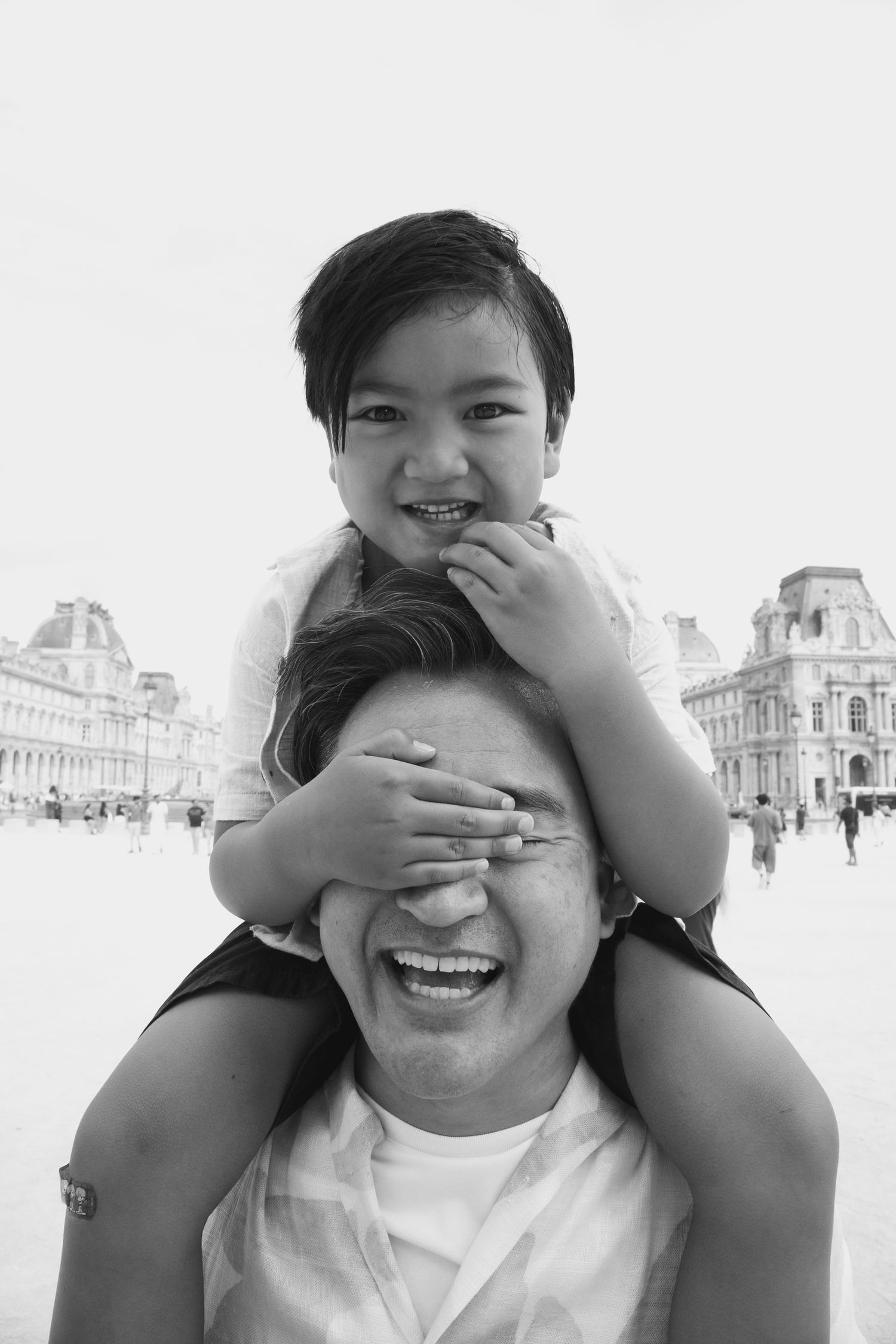
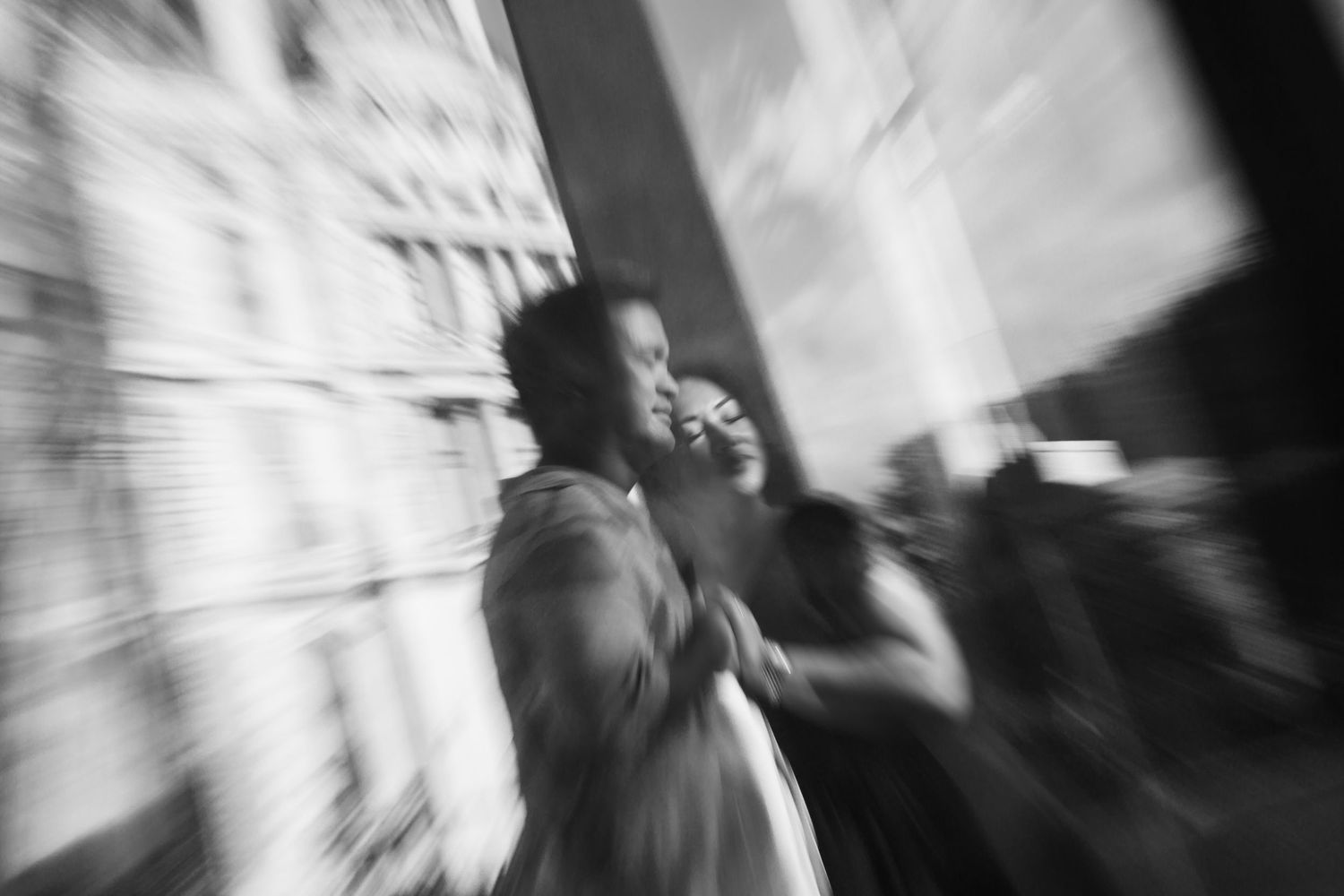
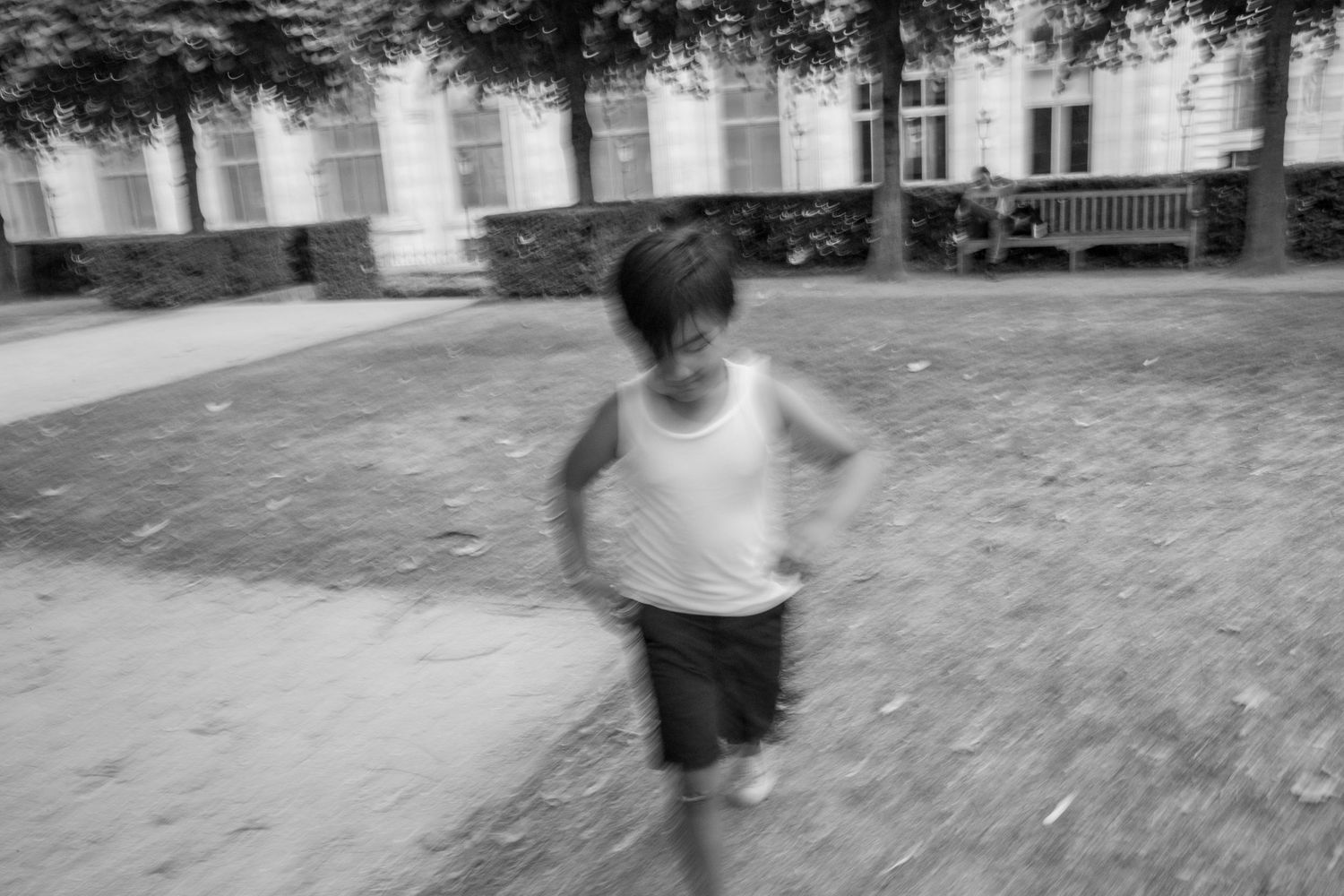
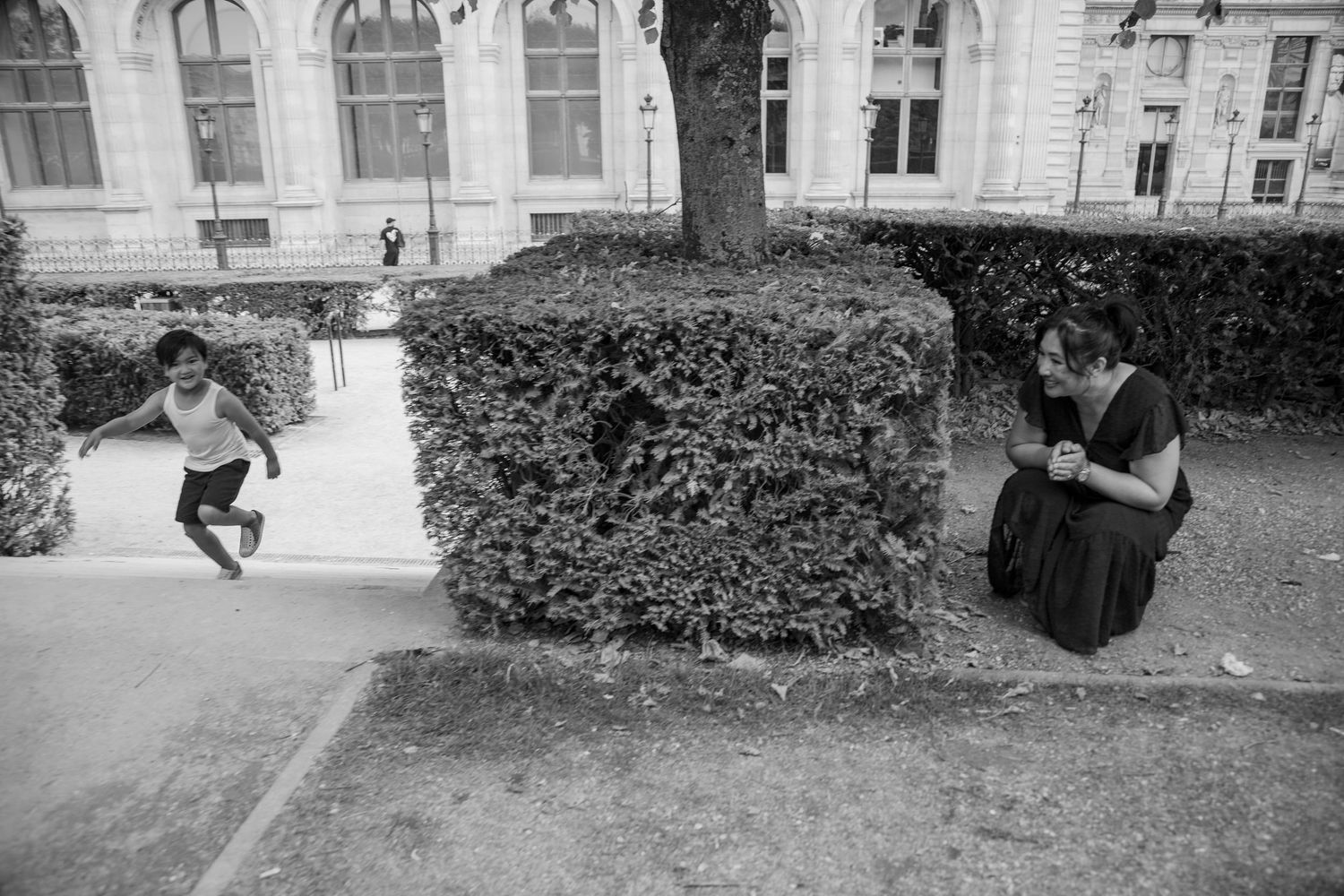
Mauricio knows when to guide and when to observe. He knows that the most revealing photograph may happen between the planned moments: a hand reaching instinctively for another, a knowing glance between husband and wife, or Mads racing toward his next Parisian discovery.This is where portraiture becomes more than a record of how a family looked. It becomes a reflection of how it felt to be together at that particular moment in their lives.
A Different Kind of Souvenir

Photography is Expression

Photography is Connection
the true value of creating memories intentionally.
When we travel, we naturally want to remember.
We collect objects, postcards, restaurant names, and fragments of places we hope never to forget. Yet the memories that remain most vivid are often less tangible: the feeling of walking through warm evening air, the sound of our child laughing in an unfamiliar street, or the sense that, for a few precious days, the world felt completely open. It becomes more than evidence that we visited a place. It preserves the atmosphere around us and the connection between us.
It reminds us that we were not merely standing in Paris—we were experiencing it together. Years from now, Mads may not remember every street they explored or how intensely the city shimmered in the heat. But the photographs will allow him to see something equally important: how his parents looked at him, how naturally he belonged between them, and how much joy they found in sharing the world with him.
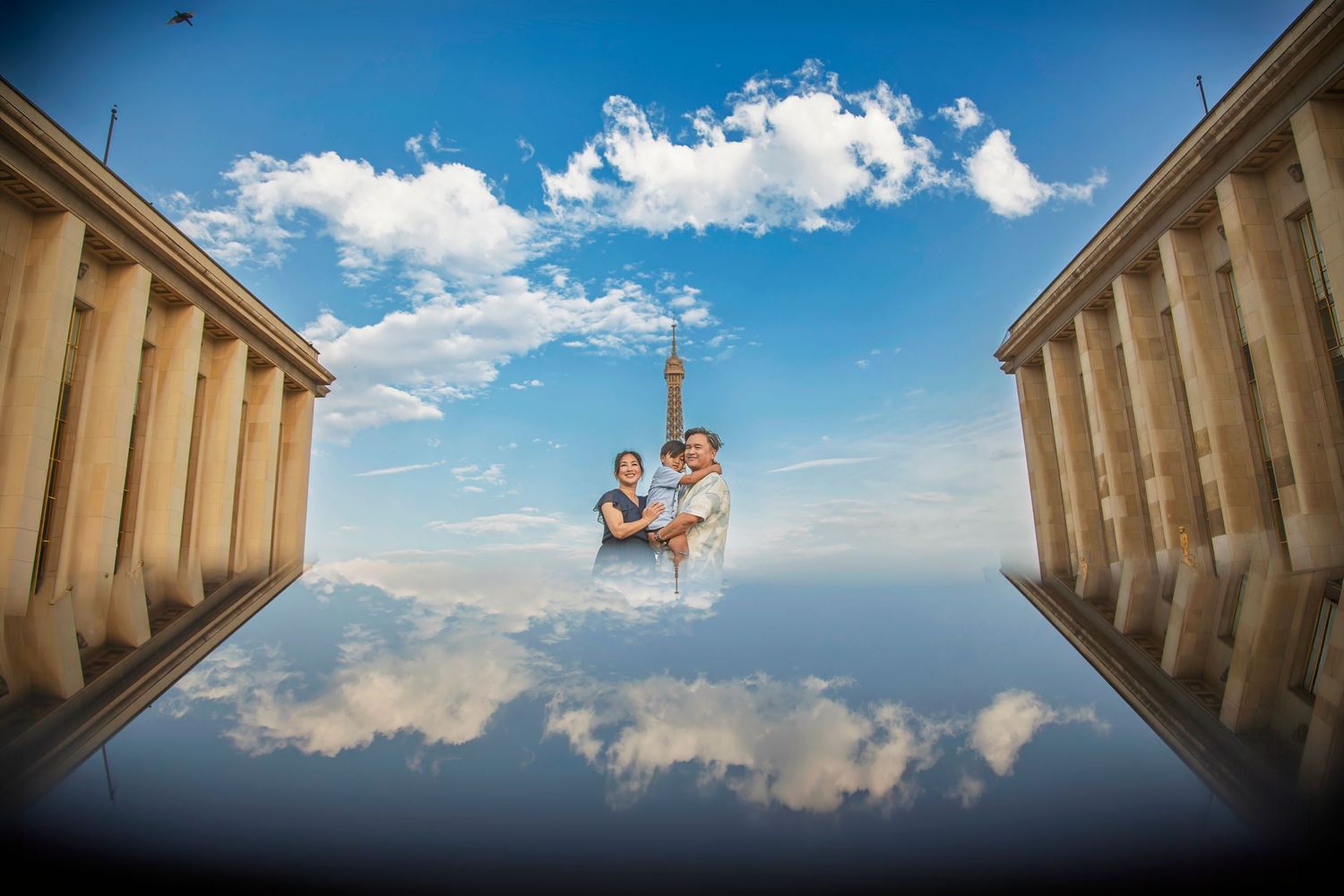
California Ease
Parisian Light
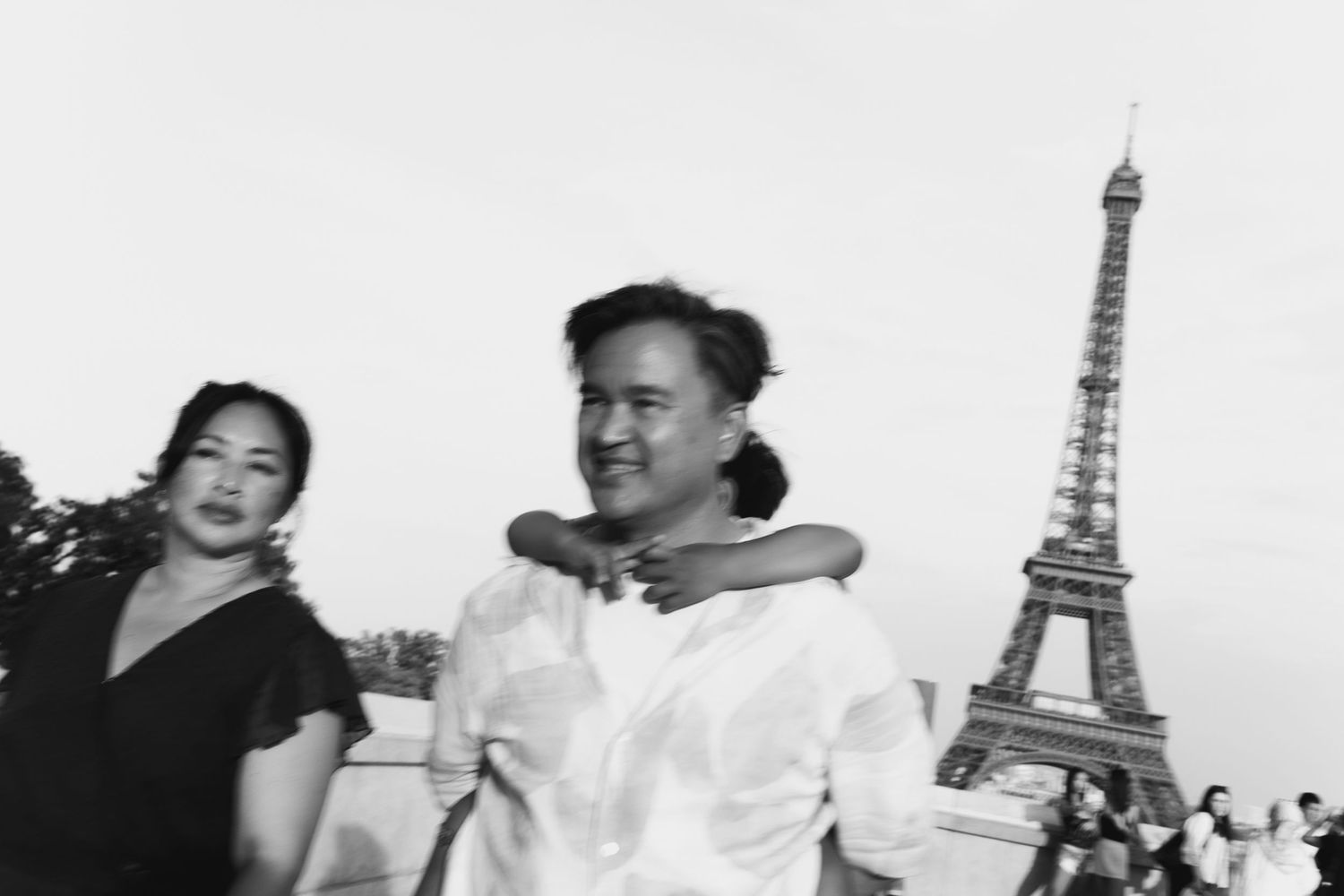
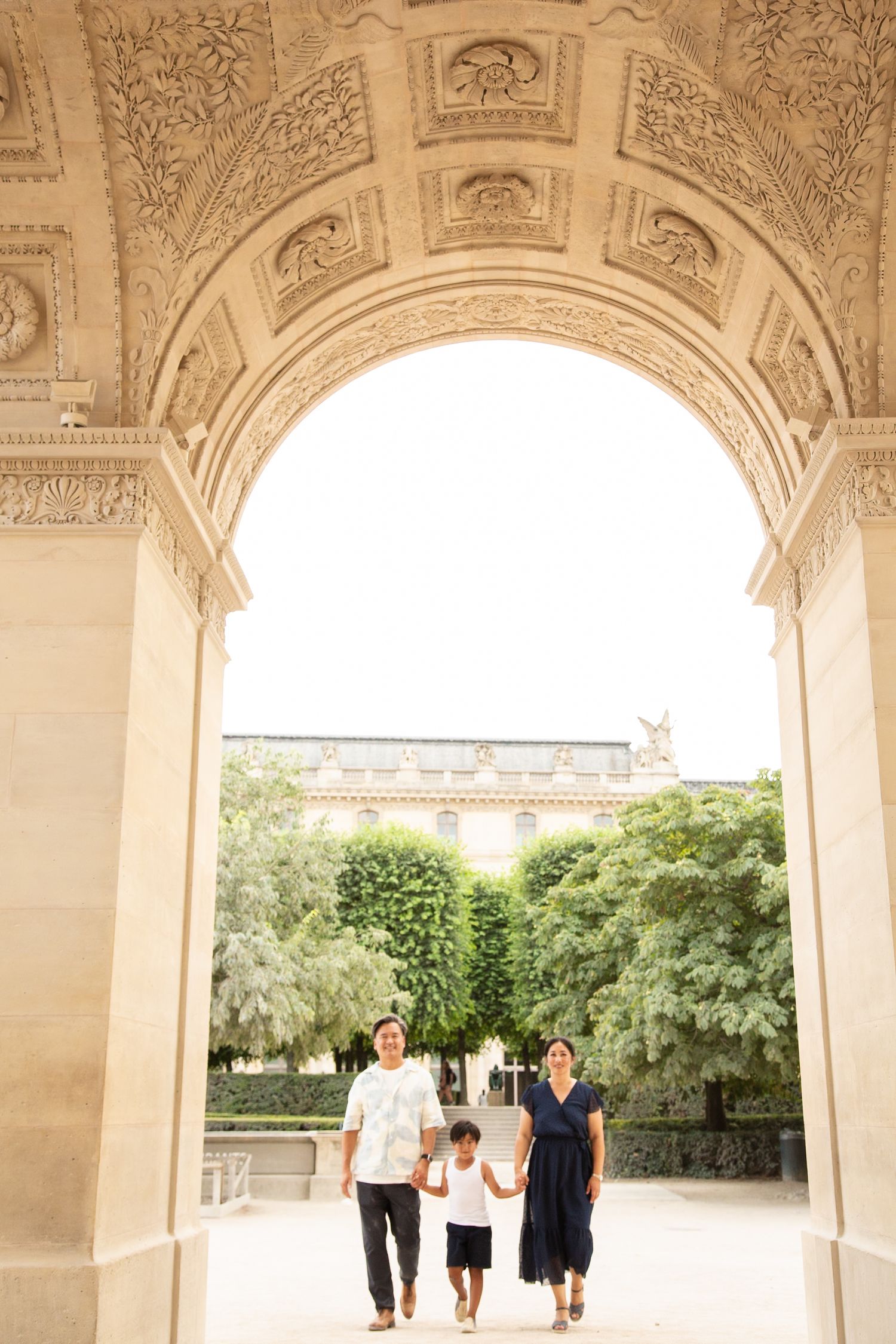
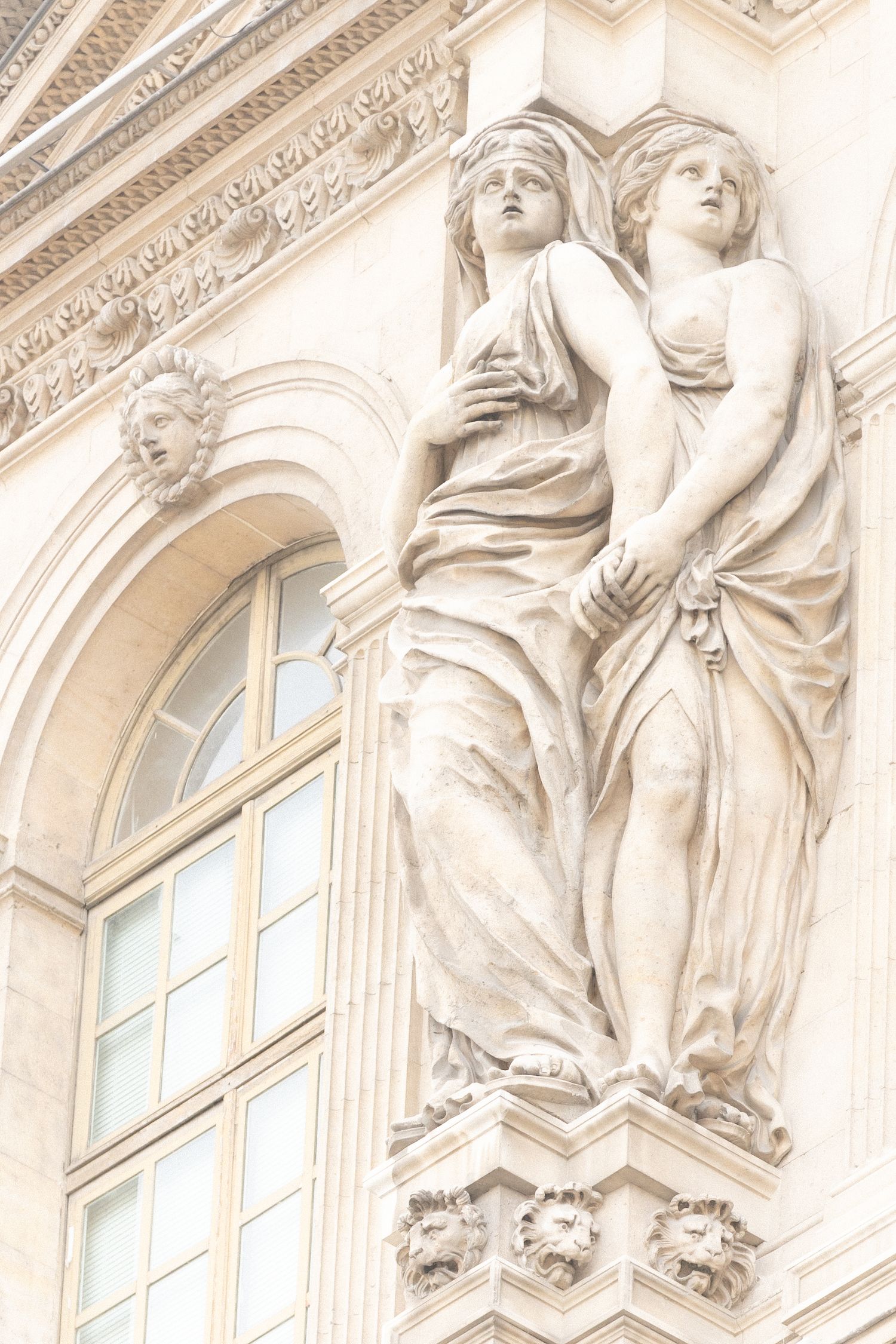
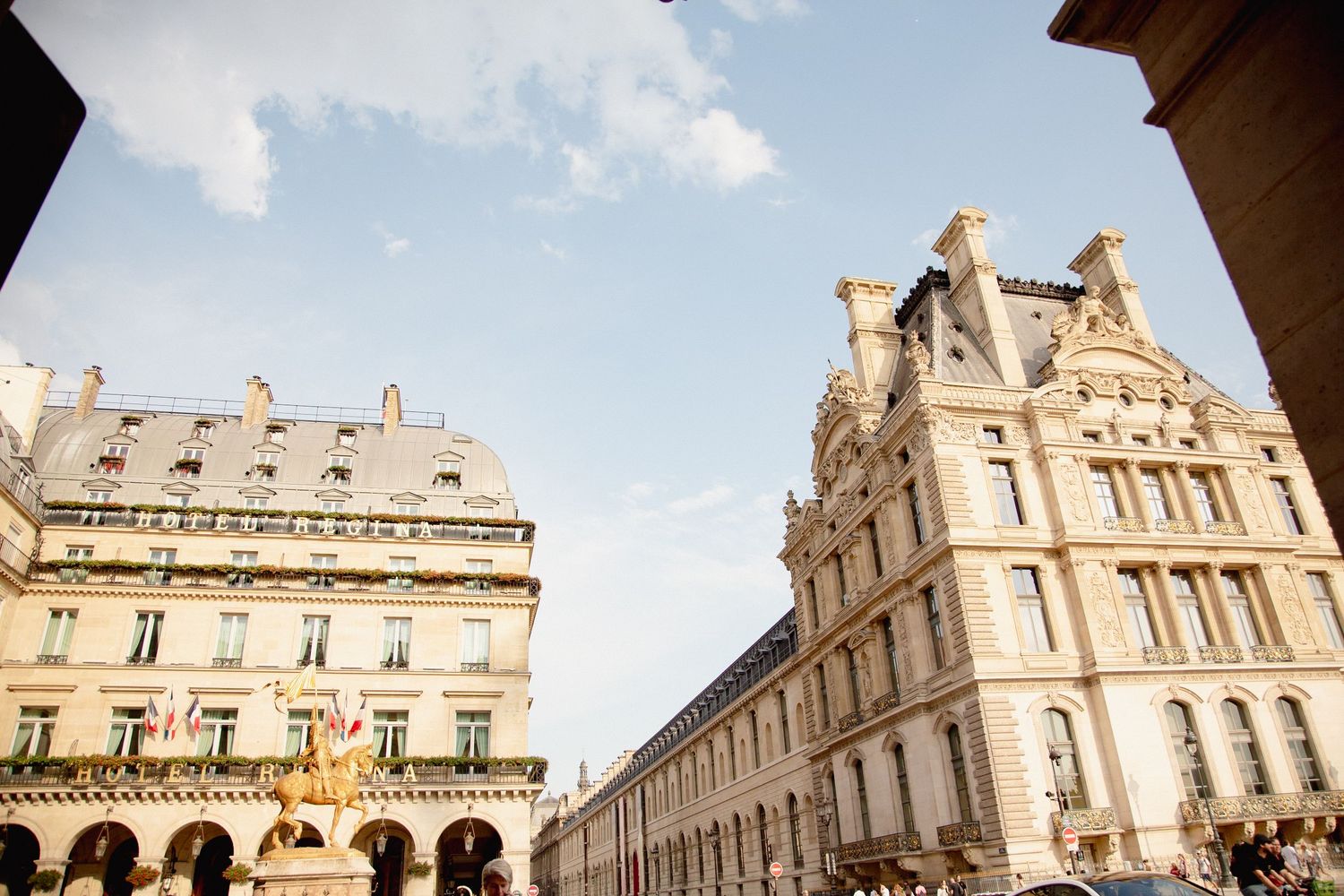
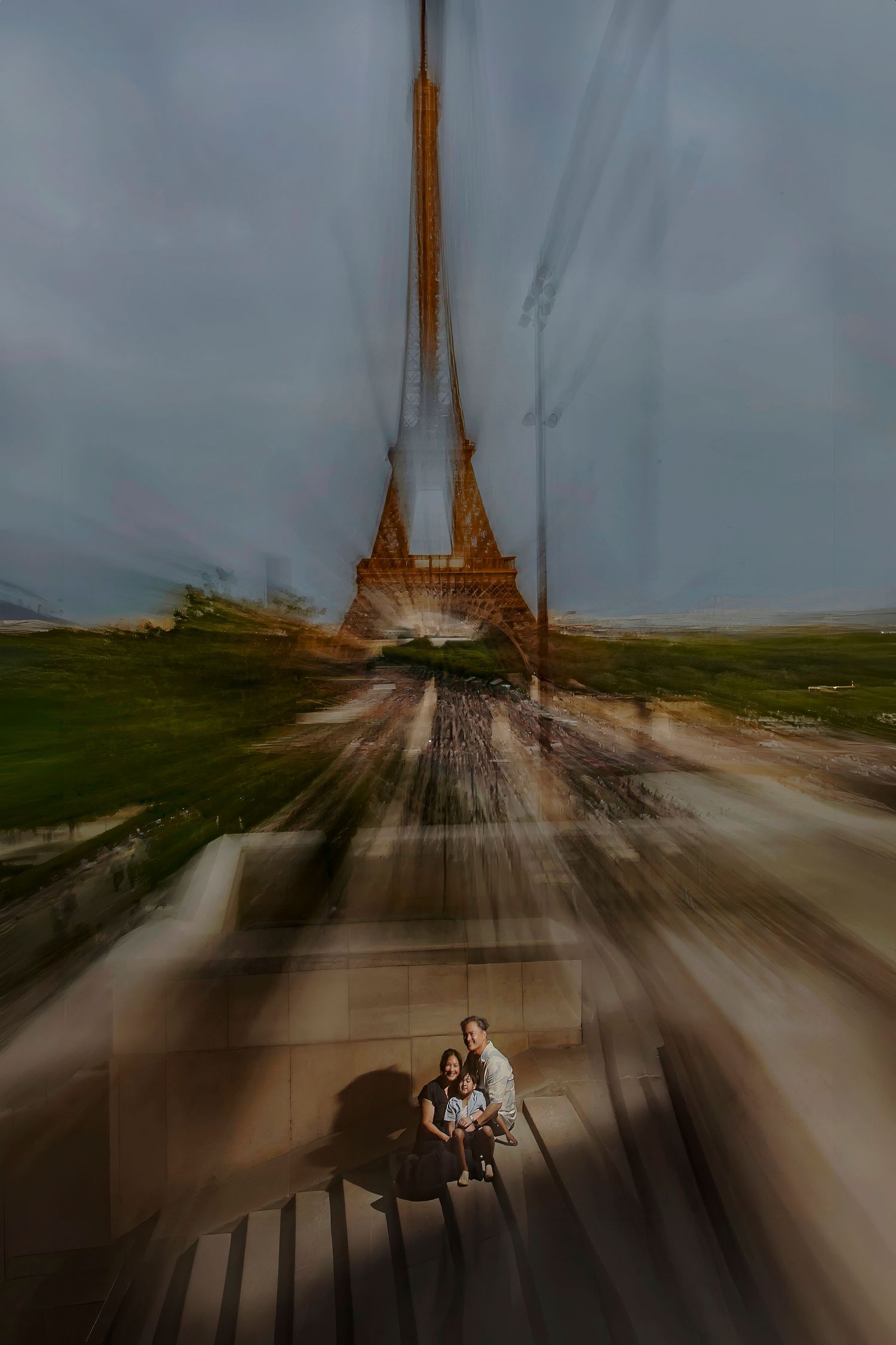
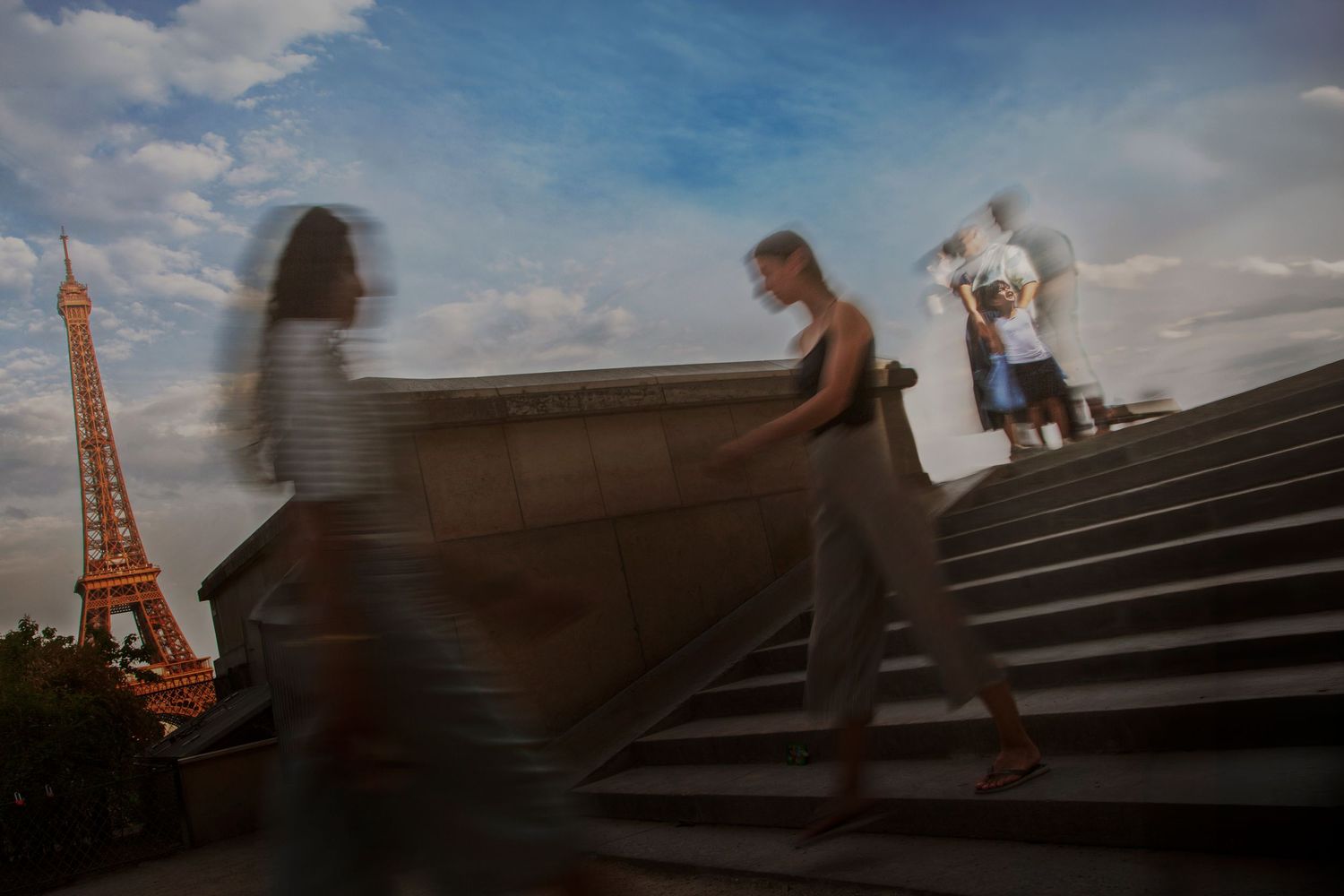
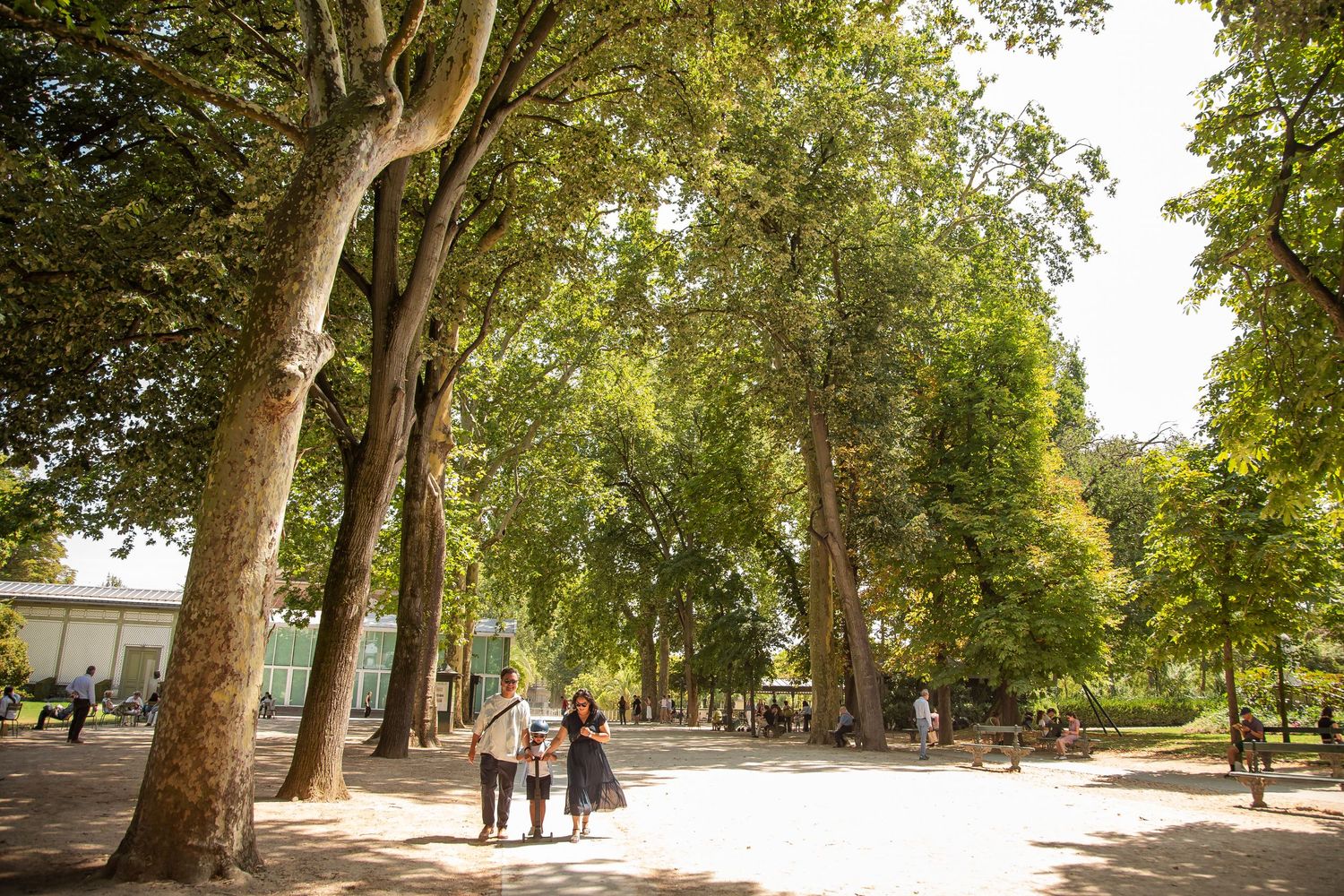
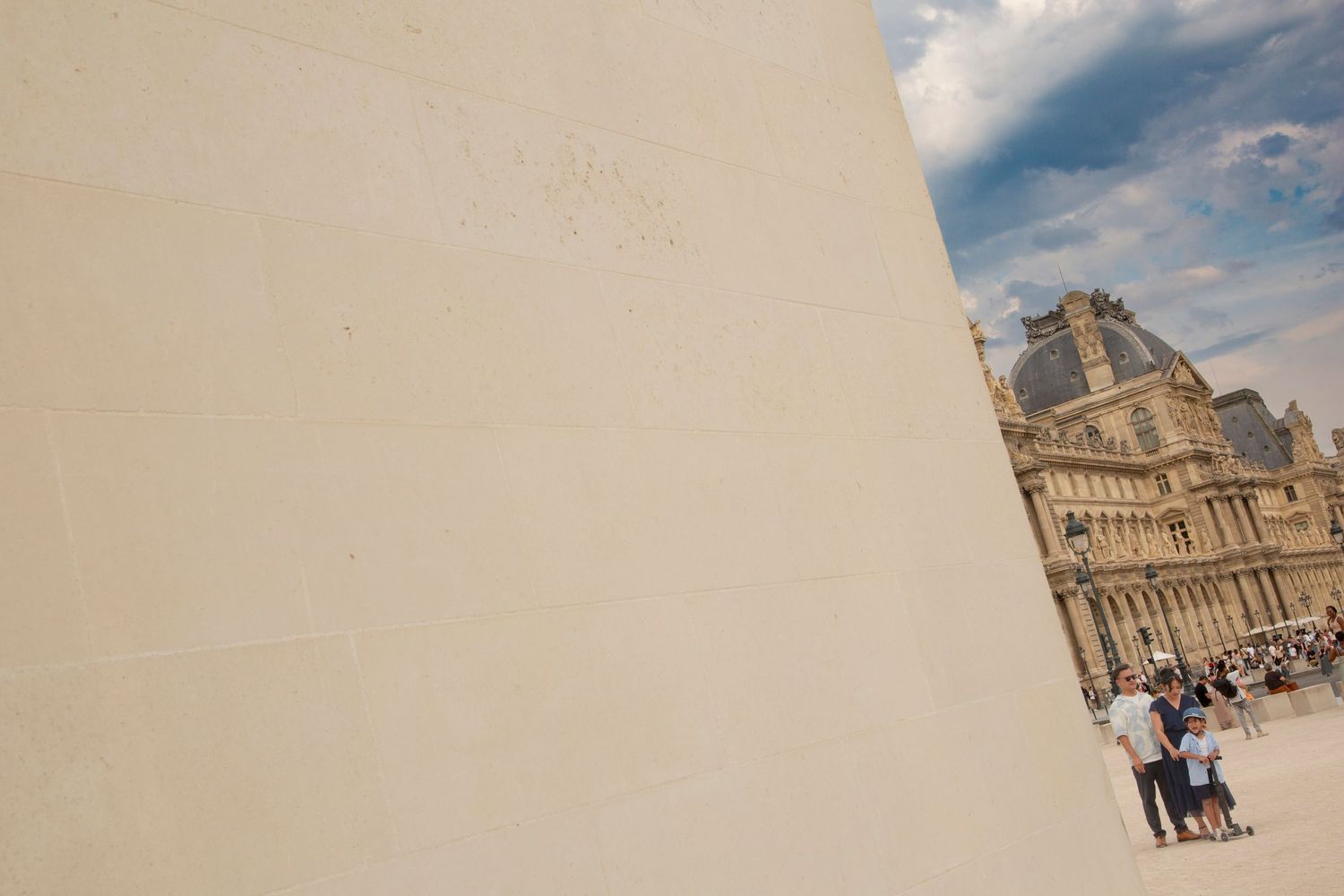
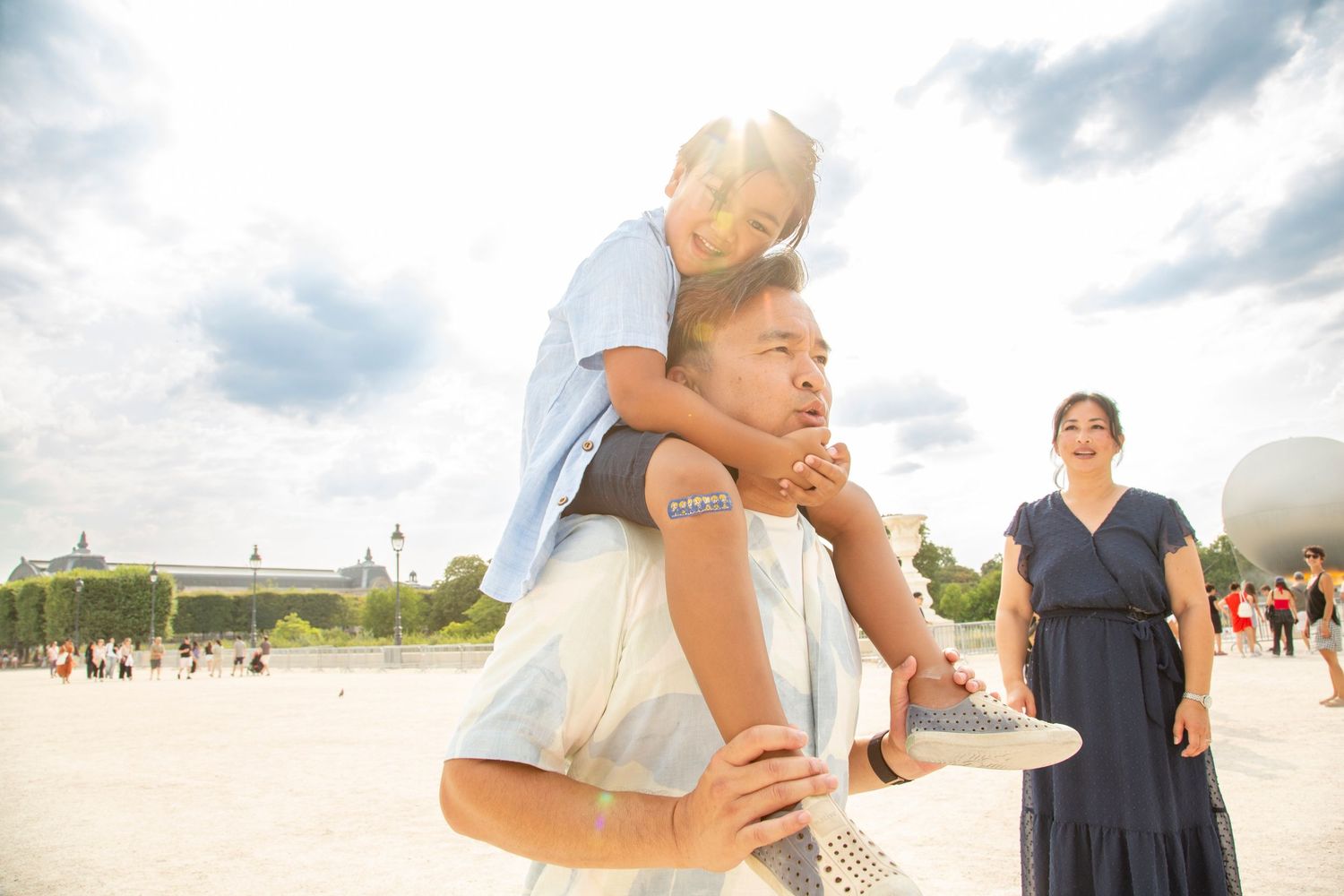
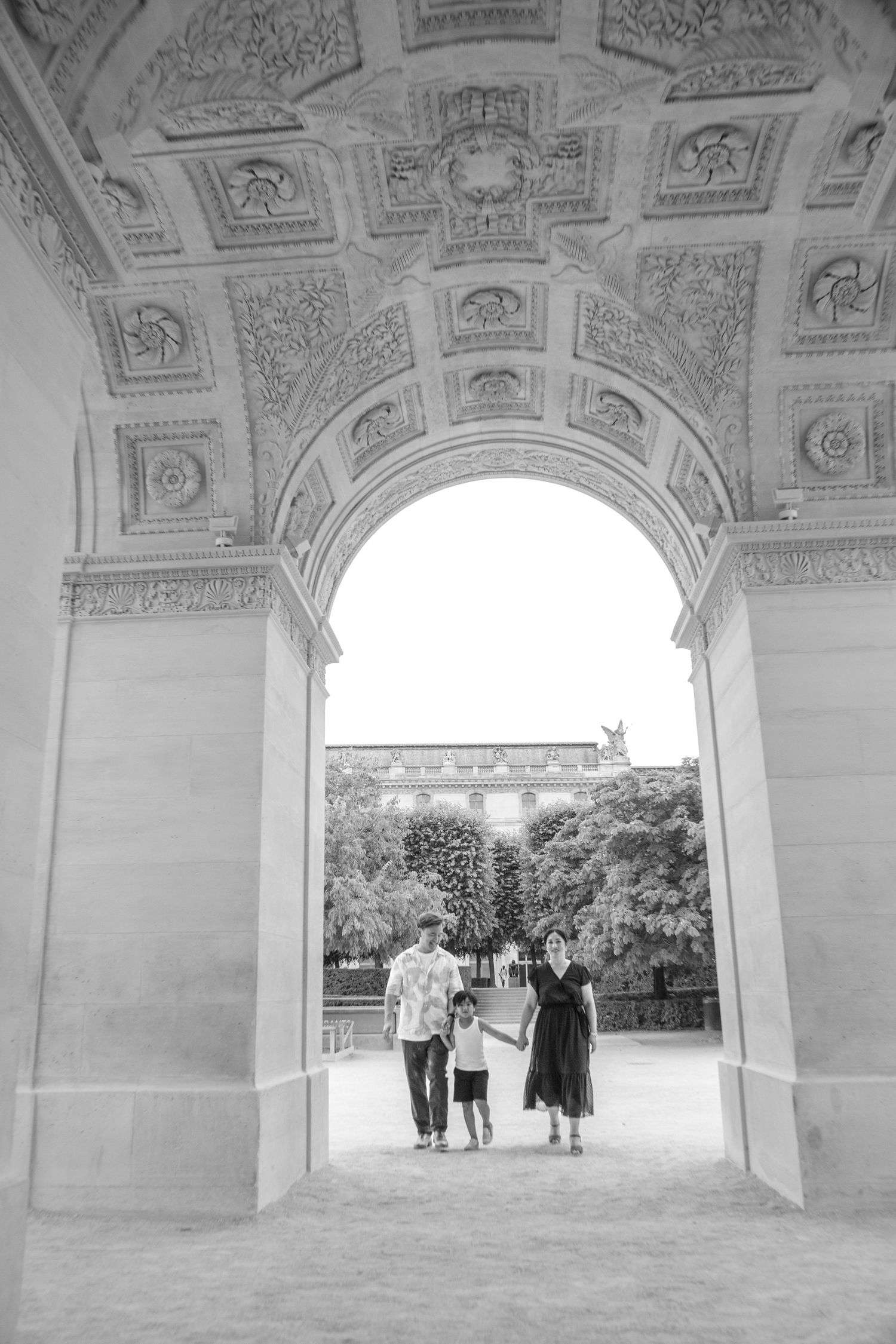
Against the architecture of Paris, Devid, Malaya, and Mads brought an unmistakable Californian ease.
iconic beauty, but the family gave the images their life.
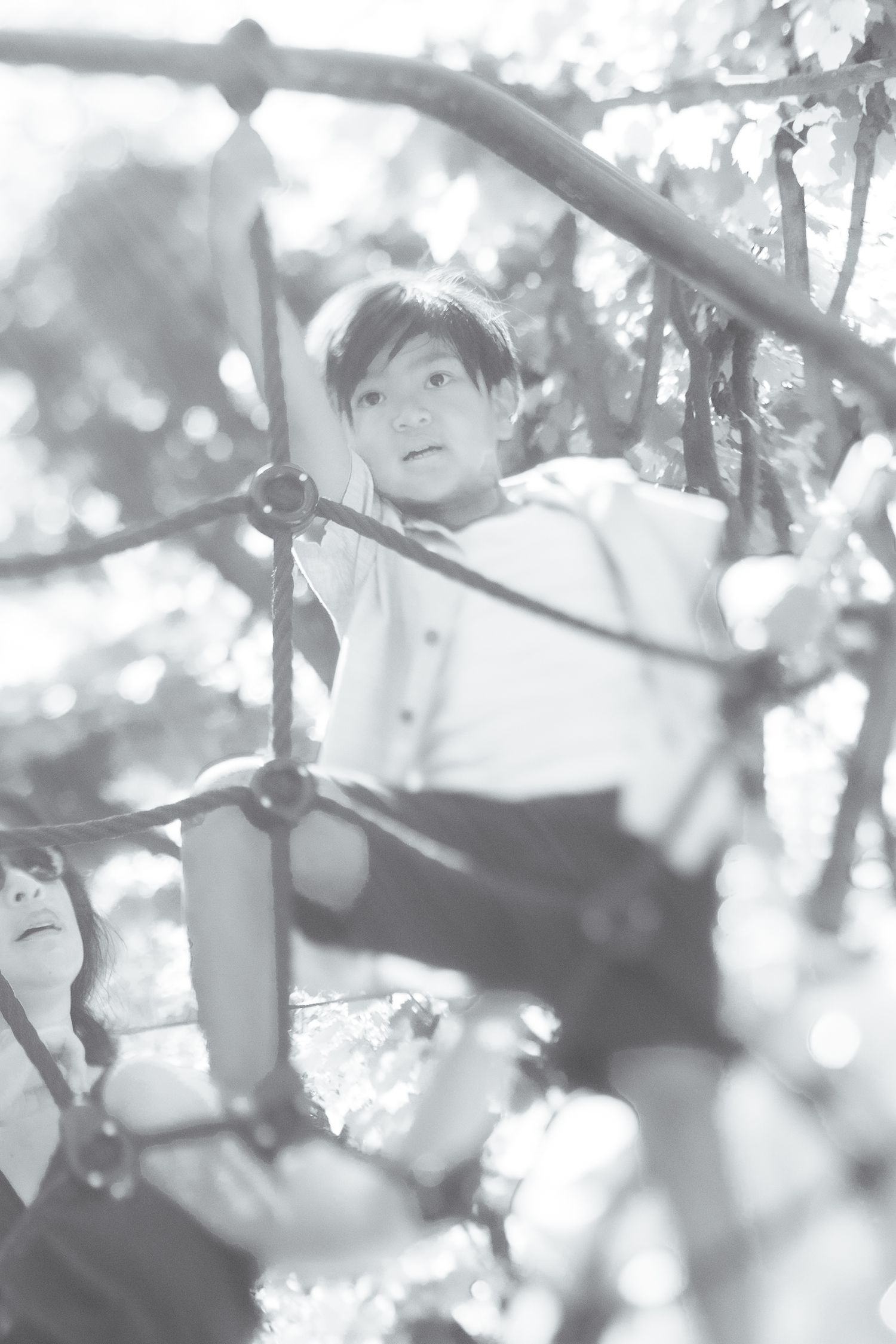
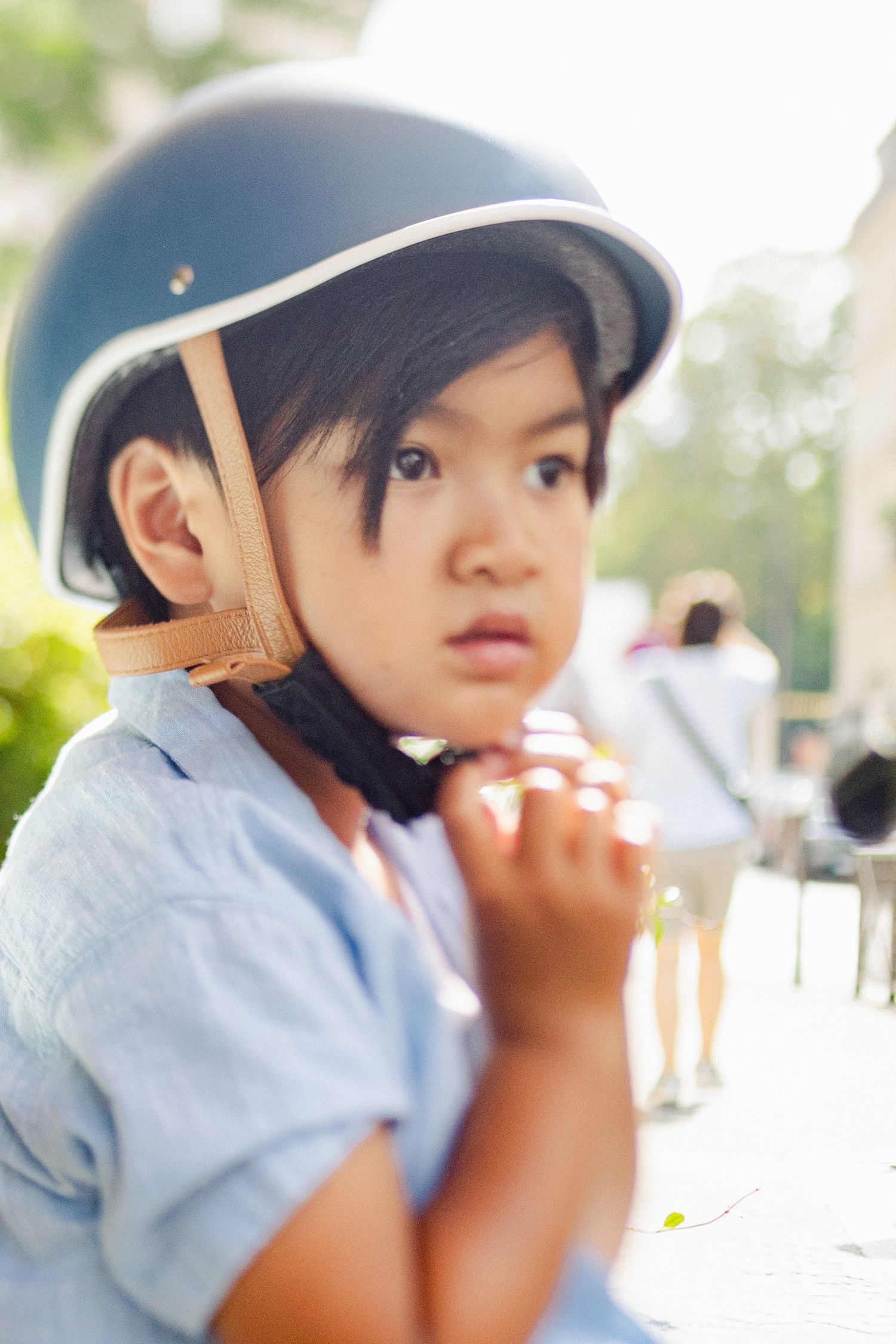
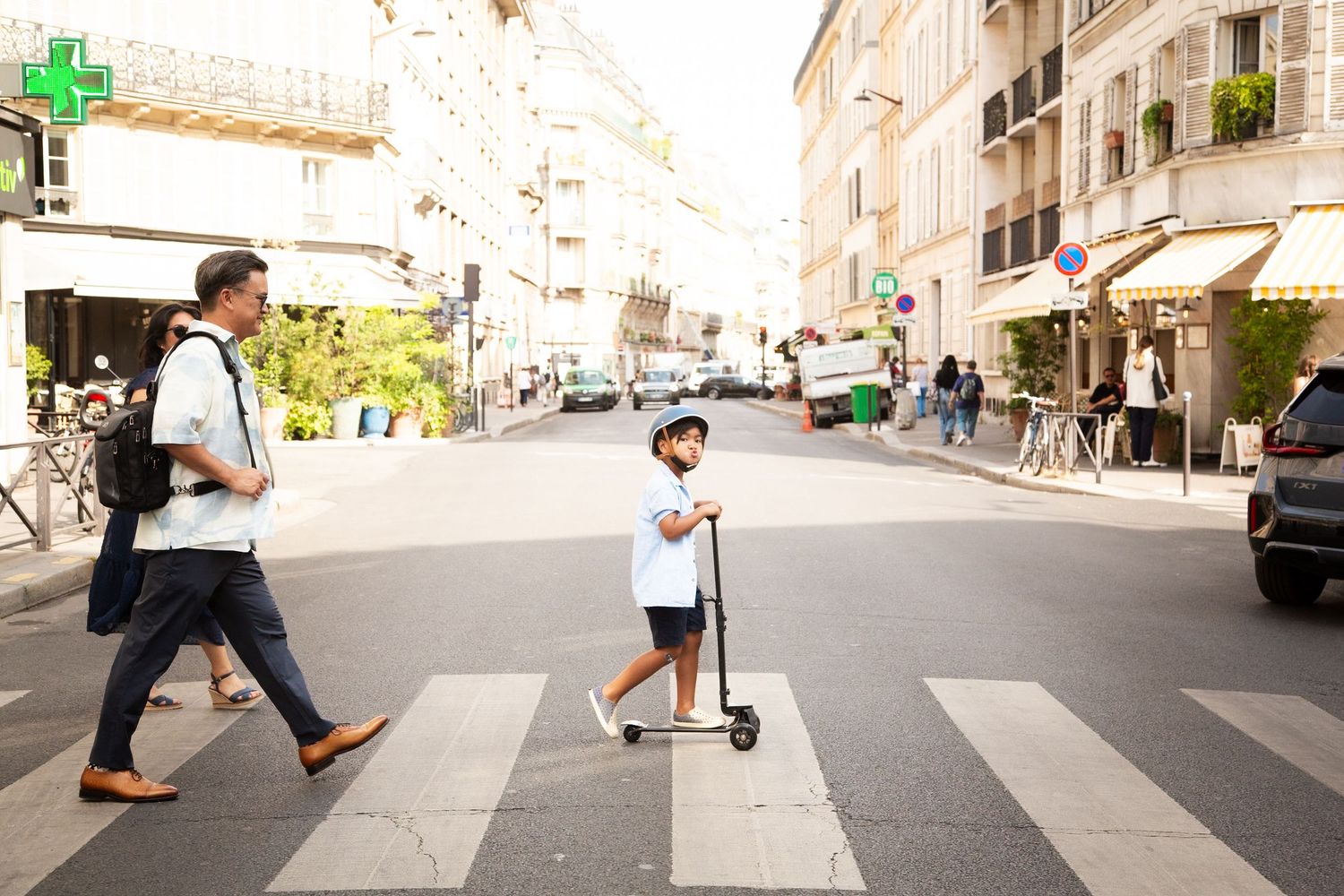
Their style was relaxed but considered, contemporary without trying too hard. The elegance came not from formality, but from the freedom with which they moved through the city. Mads transformed the city in the way only a child can. Monumental streets became places to run. Quiet corners became opportunities for discovery. Through his curiosity, Paris became less of a destination and more of an adventure.
And perhaps this is one of the greatest gifts of traveling as a family: we begin to see the world through one another’s eyes.
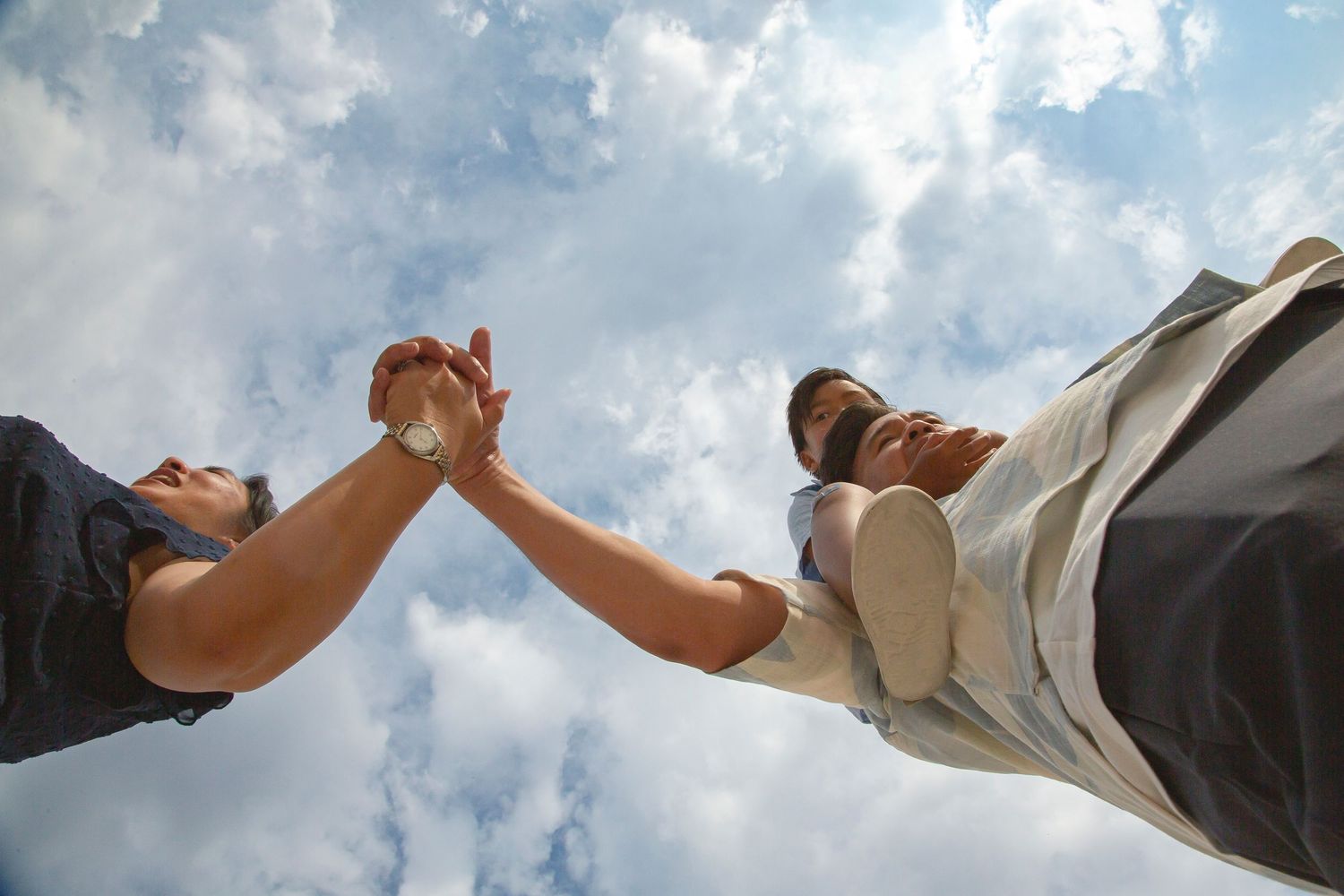
From Big Sur to Paris
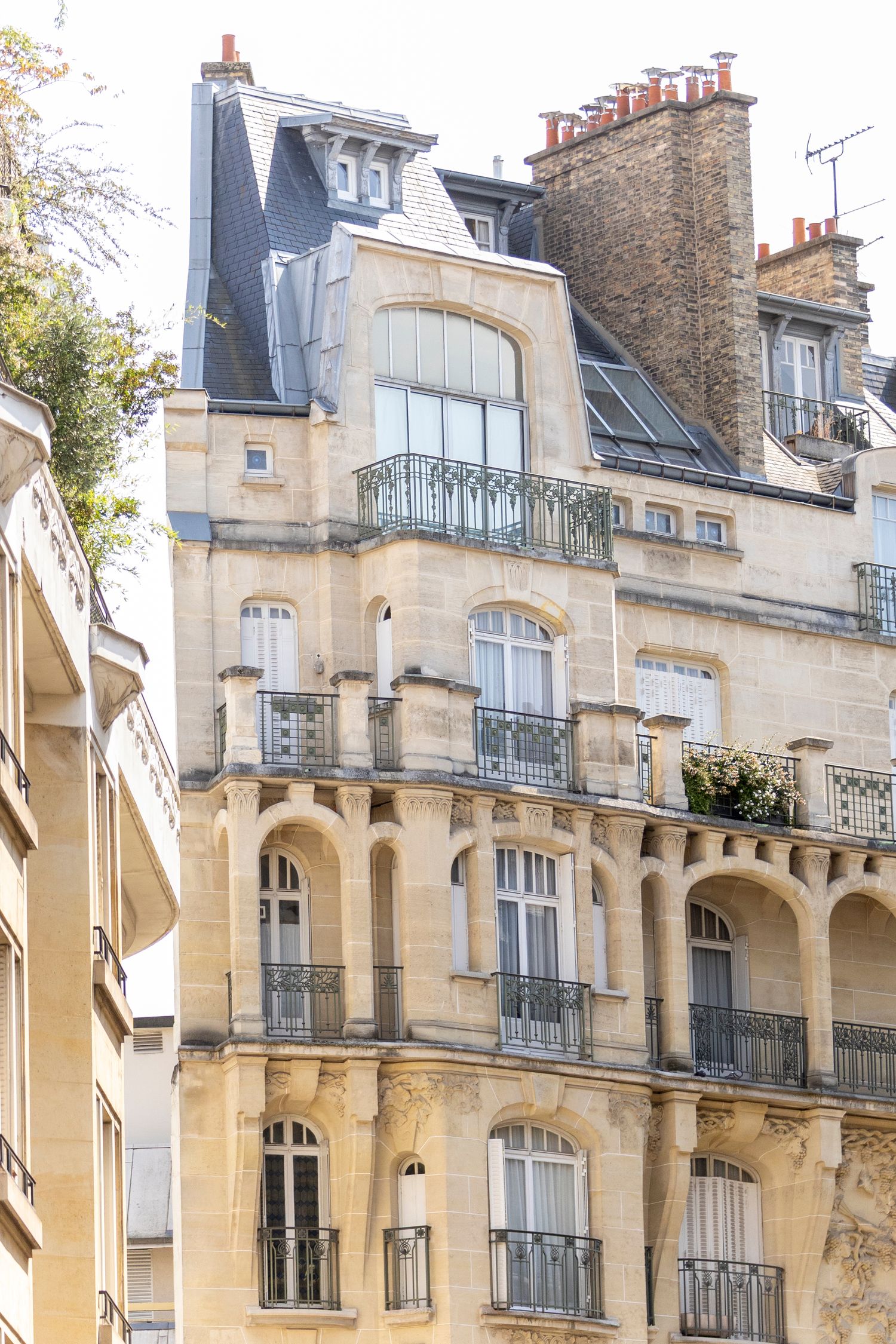
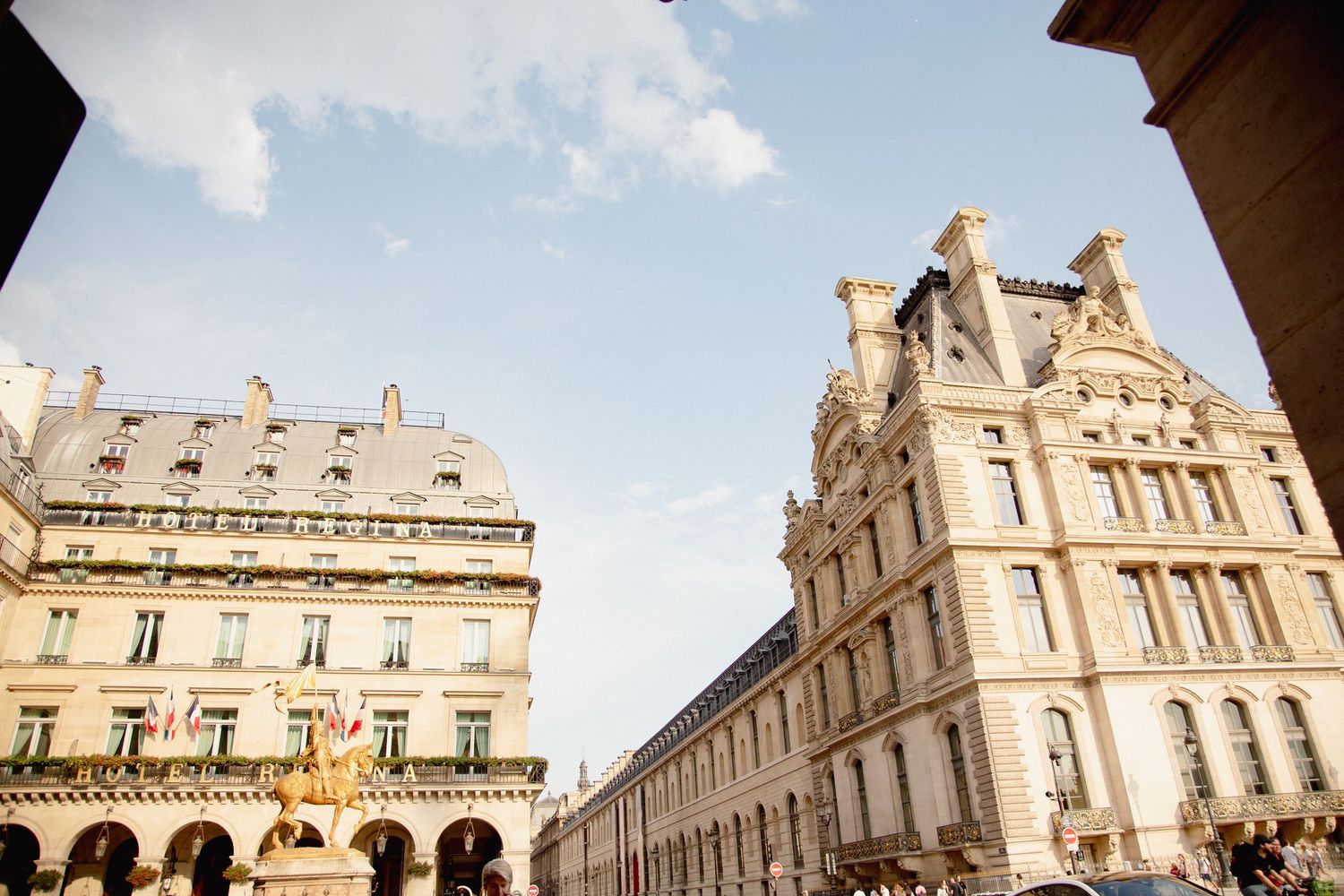
One is defined by ocean mist, rugged cliffs, and a feeling of endless space. The other by limestone façades, iron balconies, and centuries of cultivated beauty. Yet the heart of both portraits is the same.
Devid, Malaya, and Mads are growing together. Their surroundings have changed, Mads has grown, and the family has entered a new season. Mauricio is still there—not simply documenting where they went, but preserving who they were when they arrived.
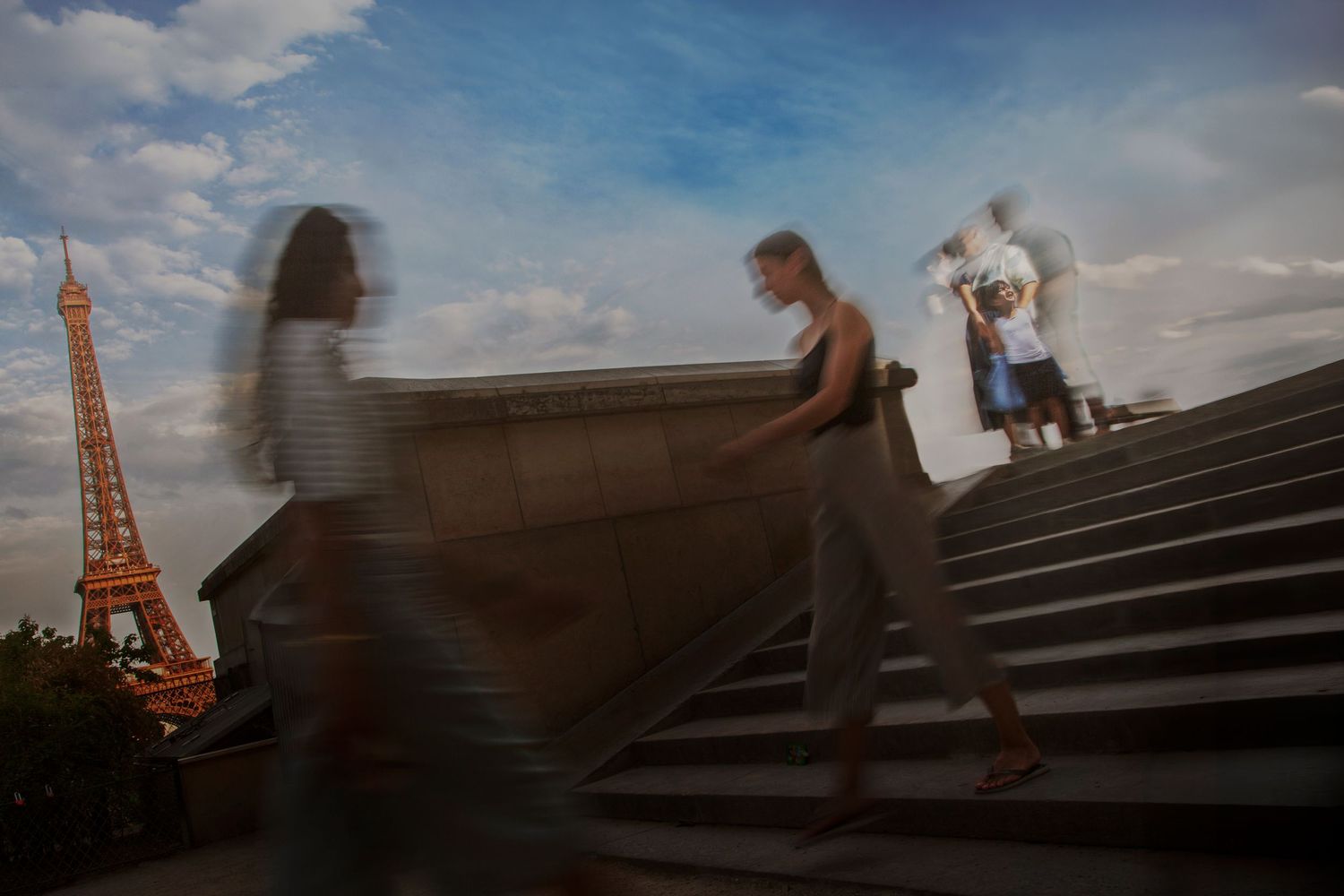
That is the importance of creating memories.
In Paris, away from obligations and familiar boundaries, they gave themselves the freedom to wander, to discover, and to be fully present with one another.